Putting Ethics into Practice in Caring for Our Patients, Our Colleagues, Ourselves
Welcome in-person and virtual participants to the 31st annual conference of the Healthcare Ethics Consortium (HEC) as we address The Stories We Tell: Putting Ethics into Practice in Caring for Our Patients, Our Colleagues, Ourselves.
We look forward to working with you throughout these two days to explore the ethical questions surrounding complex and current issues in healthcare. We want to learn from our speakers and multidisciplinary participants’ expertise and experience as we identify current challenges and constructive communication tools, models, and recommendations.
We encourage you to explore the conference website in advance. Poster presenters’ materials and videos are linked, along with information about continuing education credits, relevant references and other resources.
We are grateful to our dedicated conference planning committee, amazing conference staff, and our generous sponsors for their support in making this year’s conference possible.
Looking forward to being in conversation with this community,
Kathy and Mary Rachel
Kathy Kinlaw, MDiv, HEC-C
Director, Healthcare Ethics Consortium
Associate Director, Emory Center for Ethics
Director of Ethics, Emory Healthcare
Assistant Professor, Pediatrics, Emory School of Medicine
Mary Rachel Henderson, MBA
Senior Program Coordinator, Healthcare Ethics Consortium
Emory Center for Ethics
| Author | Title |
| Brian Alexander | The Hospital: Life, Death, and Dollars in a Small American Town |
| Robin Attfield | Environmental Ethics: Very Short Introduction |
| Simon Blackburn | Ethics: Very Short Introduction |
| Deborah Blum | Poisoner’s Handbook: Murder and the Birth of Forensic Medicine |
| Howard Brody | Stories of Sickness |
| Donna Bulseco | Where It Hurts: Dispatches from the Emotional Frontlines of Medicine |
| Amanda Cachia | Hospital Aesthetics: Disability, medicine, activism |
| Rita Charon | Stories Matter |
| Rita Charon | Narrative Medicine |
| Dudzinski | Complex Ethics Consultations V2 |
| Anne Fadiman | Spirit Catches You and You Fall Down: A Hmong Child, Her American Doctors, and the Collision of Two Cultures |
| Arthur Frank | Wounded Storyteller: Body, Illness, and Ethics |
| Sander Gilman | Doc or Quack: Science and Anti-Science in Modern Medicine |
| Anupam Jena | Random Acts of Medicine: The Hidden Forces That Sway Doctors, Impact Patients, and Shape Our Health |
| Paul Kalanithi | When Breath Becomes Air |
| Arthur Kleinman | Illness Narratives: Suffering, Healing, And The Human Condition |
| Reva Lehrer | Golem Girl |
| Denis Mukwege | Power of Women: A Doctor’s Journey of Hope and Healing |
| Meghan O’Rourke | Invisible Kingdom: Reimagining Chronic Illness |
| Michael Osterholm | The Big One: How We Must Prepare for Future Deadly Pandemics |
| Polly Price | Plagues in the Nation |
| Richard Reynolds | On Doctoring: New, Revised and Expanded Third Edition |
| Susan Sontag | Illness as Metaphor and AIDS and Its Metaphors |
| Maria Sweeney | Brittle Joints |
| Alice Wong | Disability Visibility: Essays on Love, Care, and Desire |







We would like ALL attendees to complete the Conference Evaluation. If you are applying for CEU’s you must complete the evaluation for our conference to receive credit. You can only access the survey once, please give your feedback after the conclusion of the conference.
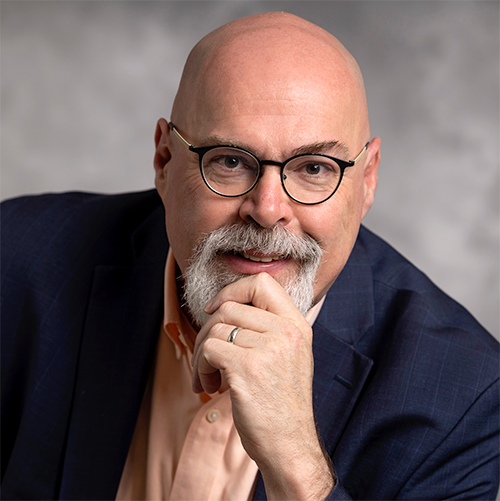
John Lysaker is the William R. Kenan University Professor at Emory University and Director of its Center for Ethics. Educated at Kenyon College and Vanderbilt University, he also has taught at the University of Oregon.
His central interest remains the good life writ large and various phenomena that enable and/or frustrate its emergence, including the nature and import of art, serious mental illness, and friendship. His current research projects include the nature of friendship, a theory of artworks, the nature of schizophrenia and the role of self-experience therein, Cavell and music, and negative capability and clinical aptitude.
Because ethical life courses through a wide field of usages and images, his work engages historical texts as well as contemporary philosophers alongside and in dialogue with poets, songwriters, musicians, and painters.
One never knows in advance where insight lies in wait.
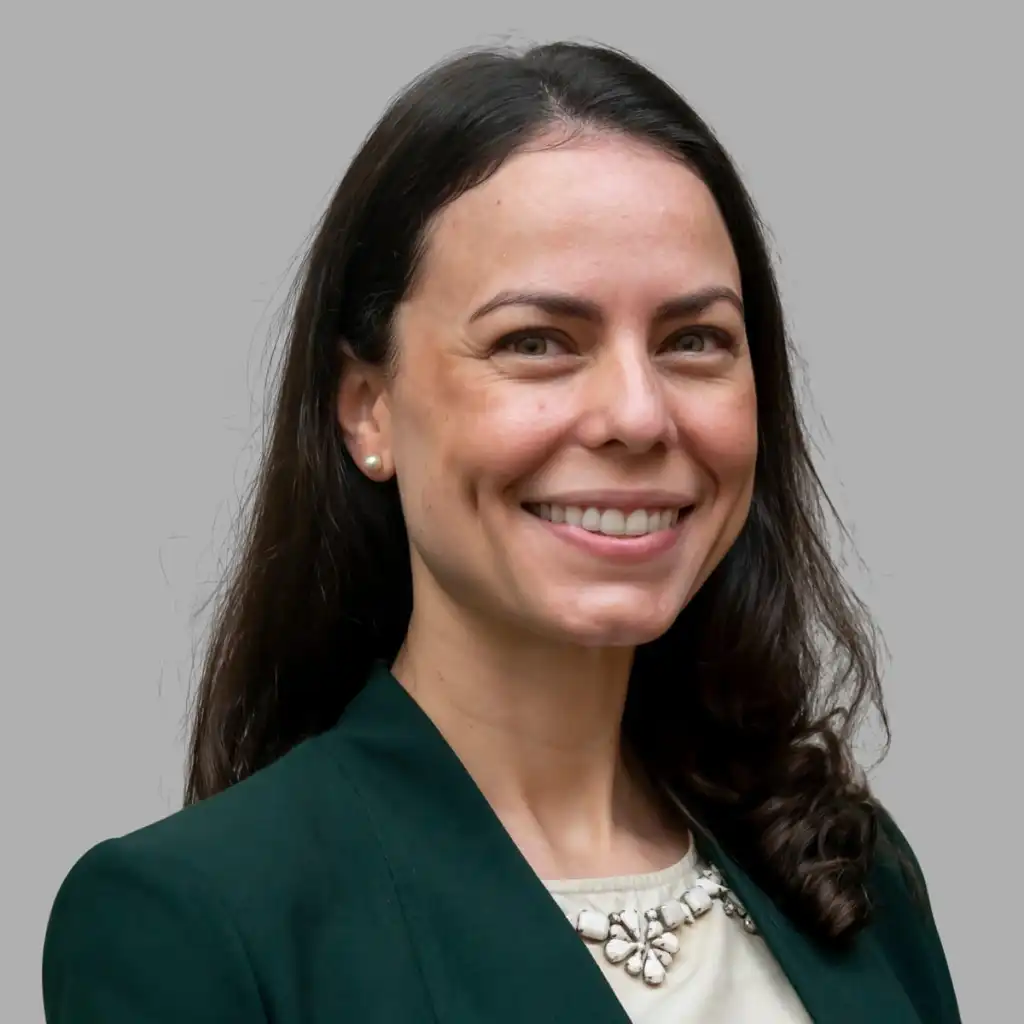
Hilary Mabel, JD, HEC-C is a Bioethicist/Healthcare Ethicist at the Center for Ethics, and an Assistant Professor of Medicine in the School of Medicine. She specializes in bioethics and healthcare ethics. Mabel teaches in the Master of Arts in Bioethics program and at the School of Medicine.
Mabel publishes conceptual bioethics scholarship as well as qualitative research and quality improvement work in healthcare ethics. Her interests include complex issues in healthcare ethics, professionalization of clinical ethics, moral distress, transgender care and bioethics, and reproductive ethics. Mabel’s scholarship has appeared in Pediatrics, Obstetrics & Gynecology, Transgender Health, The American Journal of Bioethics, Hastings Center Report, The Journal of Clinical Ethics, Cambridge Quarterly of Healthcare Ethics, and Narrative Inquiry in Bioethics, among others.
Mabel has worked as a clinical ethicist and ethics fellowship director. She is a certified healthcare ethics consultant (HEC-C) and has conducted over 1,000 ethics consultations. Her clinical experience spans 18 hospitals across two major health systems, ranging from rural community hospitals to urban quaternary care hospitals. She has experience designing and leading hospital ethics programs, conducting bedside ethics consultations, providing moral distress support to healthcare professionals, and advancing organizational ethics and values-based alignment efforts.
She currently serves on the HCEC Certification Commission, which oversees and administers the HEC-C program. She has been elected to serve on the inaugural Board of Directors for the Council On Program Accreditation for Clinical Ethicist Training (COPACET), which aims to promote the highest levels of professional competence for clinical ethicists.
She received her JD from Harvard Law School and her BA summa cum laude from the University of Florida. She completed a postdoctoral fellowship in advanced bioethics at the Cleveland Clinic. Prior to transitioning into bioethics, Mabel practiced law. Upon graduating from law school, she served as a federal law clerk to the Honorable Roy B. Dalton, Jr. in the Middle District of Florida.

Kevin Wack is a senior clinical ethicist for Emory Healthcare where he seeks to help the system navigate the inherently value-laden dimensions of healthcare delivery. This includes facilitating individual bedside consultations, providing education throughout the system, and evaluating systemwide processes to ensure the delivery of high-quality ethical care. Kevin is a certified healthcare ethics consultant and licensed attorney with a background in law, bioethics, and theology.
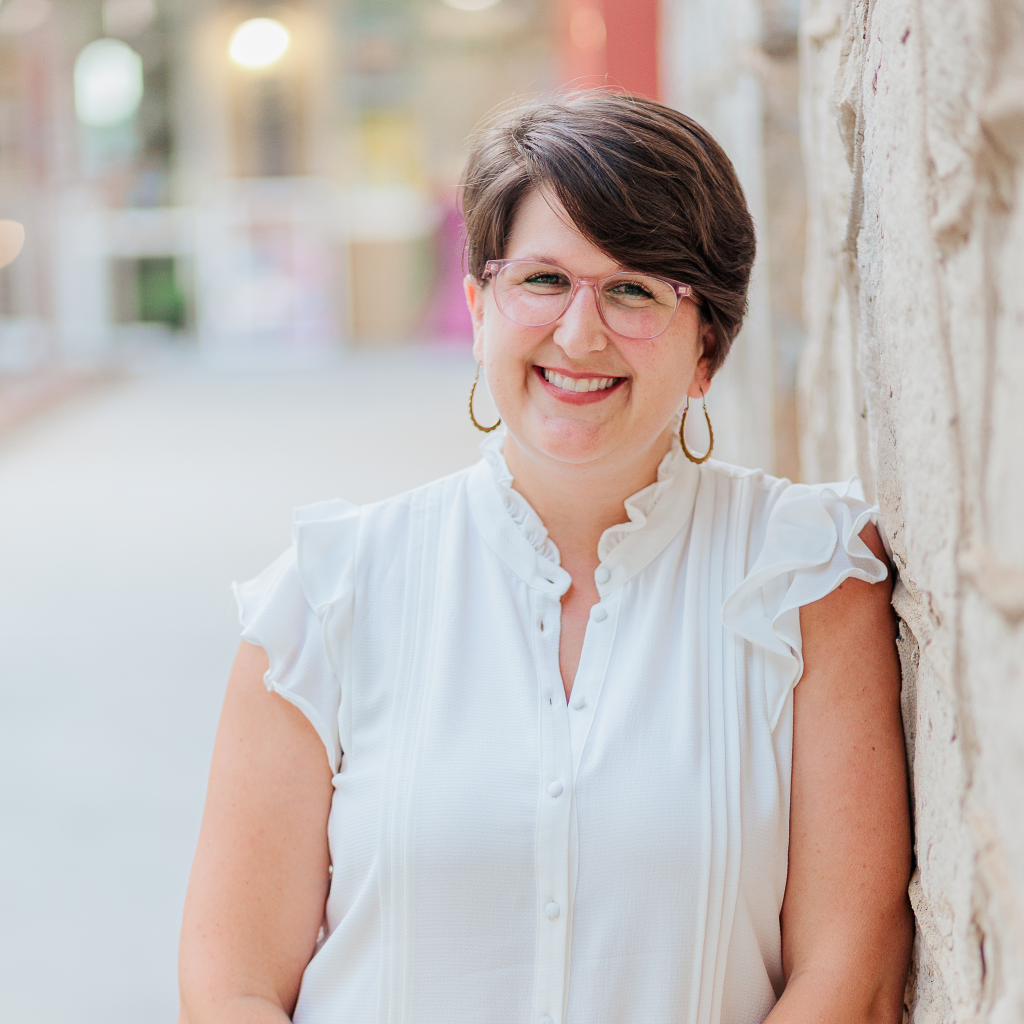

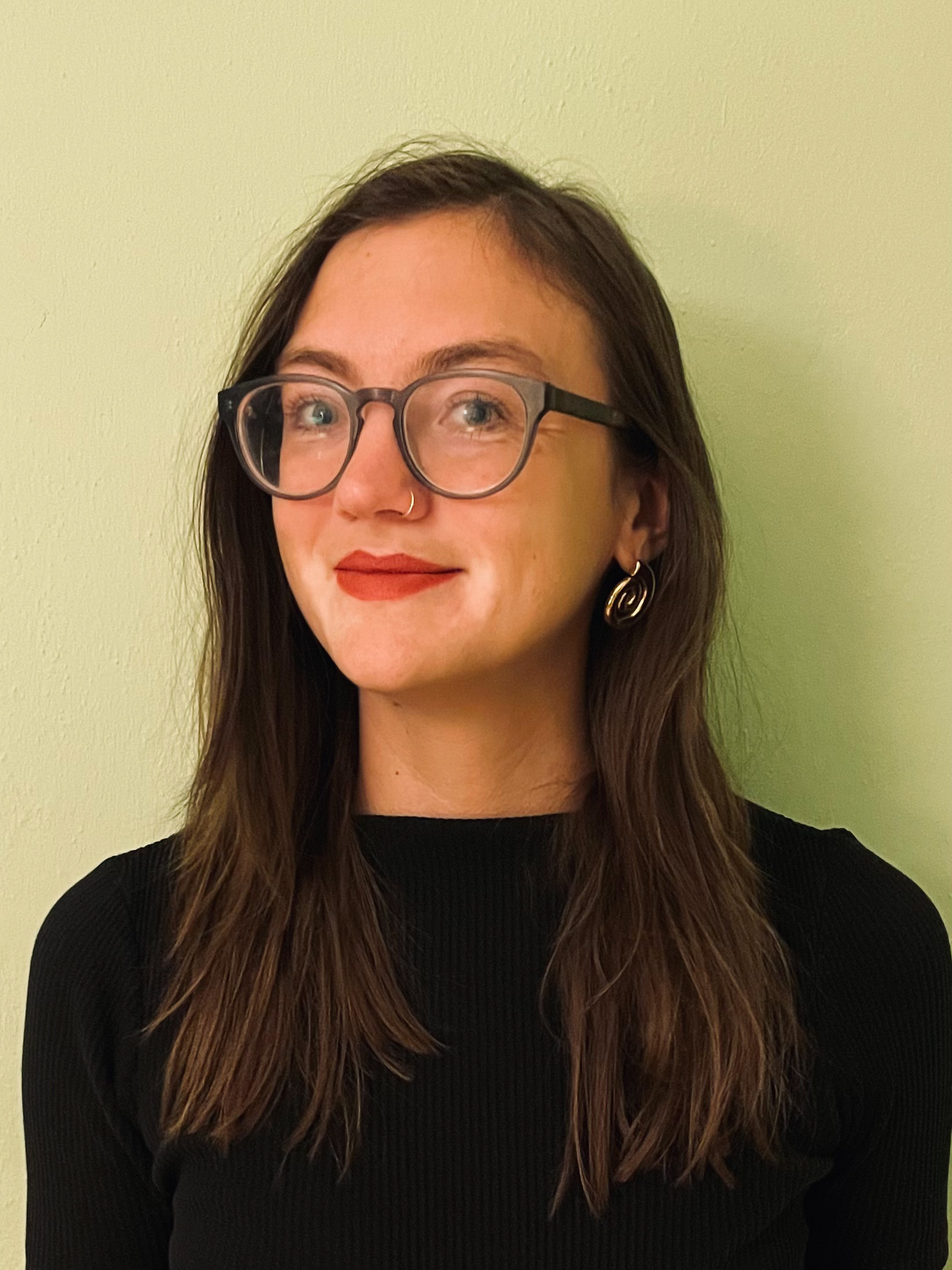
Liz Bowen, PhD, HEC-C, is an Assistant Professor of Bioethics and Humanities at Upstate Medical University, where she serves as a member of the Ethics Consult Service and associate editor of The Healing Muse, an annual literary and arts magazine. She is also co-president of the Health Humanities Consortium. Her research explores the intersections of disability studies, bioethics, and literary studies, with a focus on how cultural narratives of disability shape public perceptions of ethical responsibility. She co-edited The Art of Flourishing: Conversations on Disability (Oxford University Press, 2025) and is the author of two poetry collections: Sugarblood (Metatron Press, 2017) and Compassion Fountain (Trembling Pillow Press, 2022).
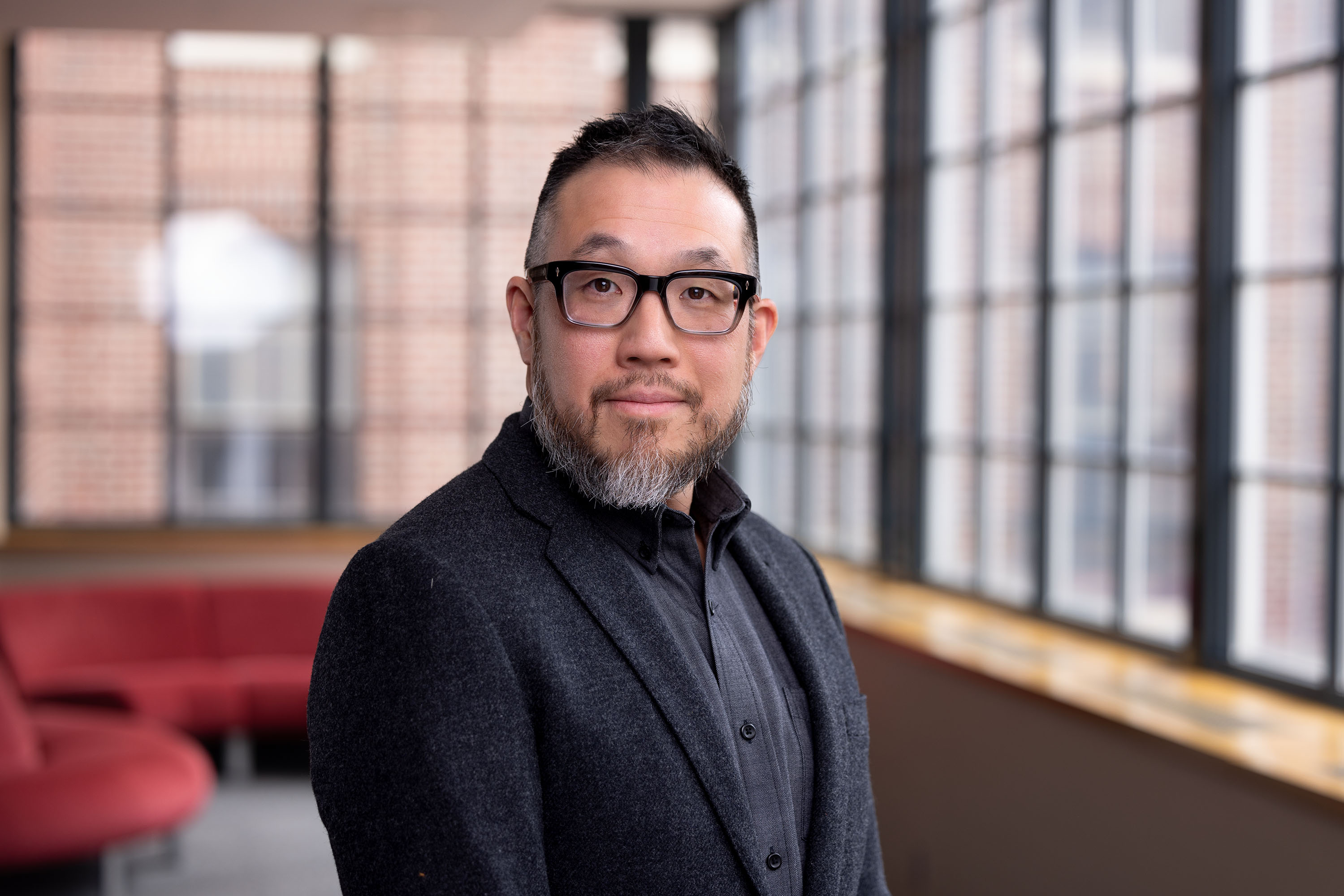
Joel Wu, JD, MPH, MA, HEC-C, is a Center for Bioethics Clinical Ethics Assistant Professor and a senior lecturer in the Division of Health Policy and Management at the University of Minnesota’s School of Public Health. He is a co-chair of the University of Minnesota Medical Center’s Ethics Committee, co-lead for the clinical ethics consultation service for MHealth Fairview system hospitals, and member of the MHealth Fairview Ethics Council. Professor Wu also teaches courses at the intersection of clinical ethics, public health ethics, and public health law.
Previously, Professor Wu conducted health policy research and development at the National Academies of Sciences, Engineering, and Medicine at the Institute of Medicine (now the National Academy of Medicine) where he served as a study director on the Board on the Health of Select Populations and the Board on Population Health and Public Health Practice. Professor Wu also worked as a research associate for the former Engelberg Center for Health Care Reform at the Brookings Institution and completed post-doctoral fellowships at the Program in Bioethics and Professionalism at the Mayo Clinic in Rochester, MN, and in Clinical Ethics at Children’s Minnesota and Abbott Northwestern Hospitals in Minneapolis, MN. Professor Wu holds a JD and an MA in Bioethics from Case Western Reserve University and an MPH in Epidemiology from the University of Minnesota.

Brian H. Childs, MDiv, PhD, HEC-C is Professor and Chair of the Department of Bioethics and Medical Humanities at the Mercer University School of Medicine. A former student of Paul Ramsey at Princeton University he was a member of the NEH Institute for Medicine, Literature, and the Humanities at Northeast Ohio College of Medicine and Hiram College.

Dr. Laura Vater is striving to keep healthcare human, for both patients and clinicians. She’s a medical oncologist, writer, assistant professor at the Indiana University School of Medicine, and Director of Compassionate Medical Education at the Hippocratic Collective. She is the founding co-director of the Young Onset Colorectal and Gastrointestinal Cancer Program at IU, and directs Writing for Wellness, a narrative writing program. Her writing has been featured in Write for Your Life by Anna Quindlen, and the Intima Where It Hurts anthology by editor Donna Bulseco. In 2017, she developed a wellness behavioral tool for patients and clinicians called the SMILE Scale. She engages with an audience of over 200,000 on social media, promoting humanism in medicine.
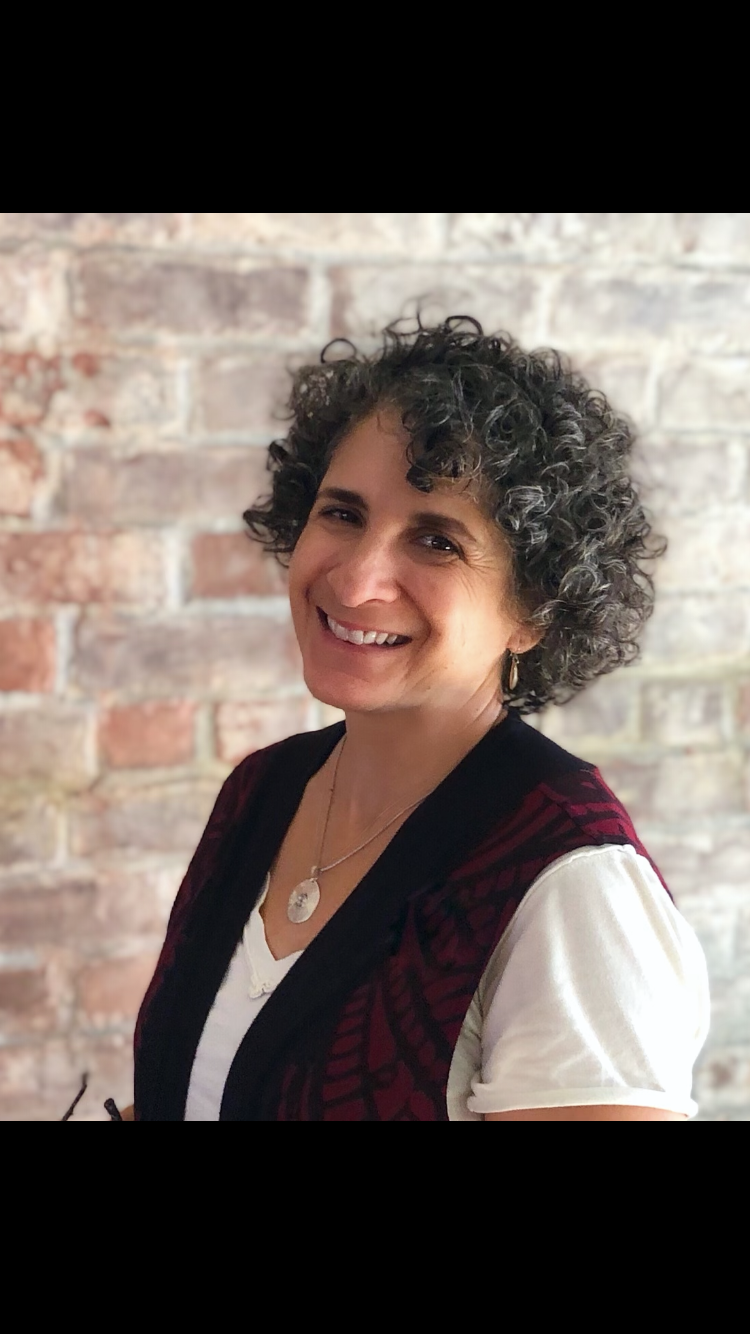
Dr. Rachel Grob directs the Qualitative and Health Experiences Research Lab at the University of Wisconsin-Madison. Her work focuses on improving health by listening to people’s experiences with health and health care, synthesizing their narratives, and using this powerful learning as a source for making changes that benefit consumers, families, clinicians and communities.
Grob serves as a public spokesperson for the value of qualitative research. She chairs the global health experiences organization DIPEx International, is chair emeritus for the US-based Health Experiences Research Network, and has authored more than 60 peer-reviewed articles, numerous book chapters, and a book.
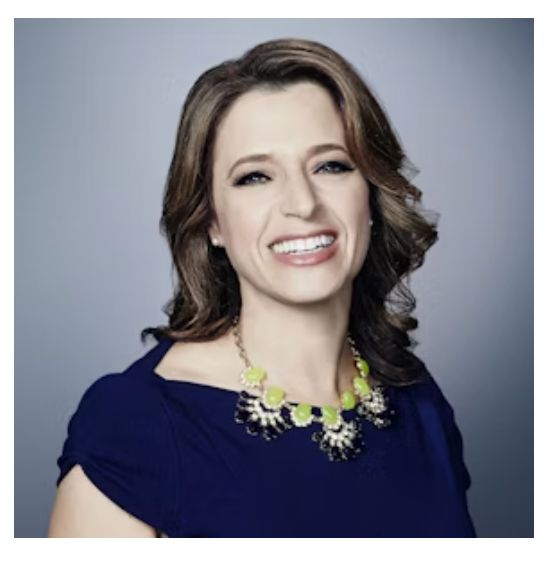
Elizabeth Cohen, MPH, is a Peabody Award-winning medical journalist and NBC News Health contributor. The author of The Empowered Patient (Random House), her reporting has appeared in The New York Times, The Washington Post, The Wall Street Journal, STAT, and for more than three decades at CNN, where she served as senior medical correspondent.
Cohen has reported from the frontlines of global and national crises, including the September 11th attacks, Hurricane Katrina, the Haiti earthquake, the BP oil spill, and the Ebola outbreak in Liberia. A three-time Gracie Award winner from the Alliance for Women in Media, her work has been recognized by the Association of Health Care Journalists, the Society of Professional Journalists, the National Association of Black Journalists, and by Research!America, which honored her for her impact on public opinion. Elizabeth has received outstanding alumni awards from both Boston University, where she earned her master’s degree in public health, and Columbia College in New York City, where she earned her bachelor’s degree in history.
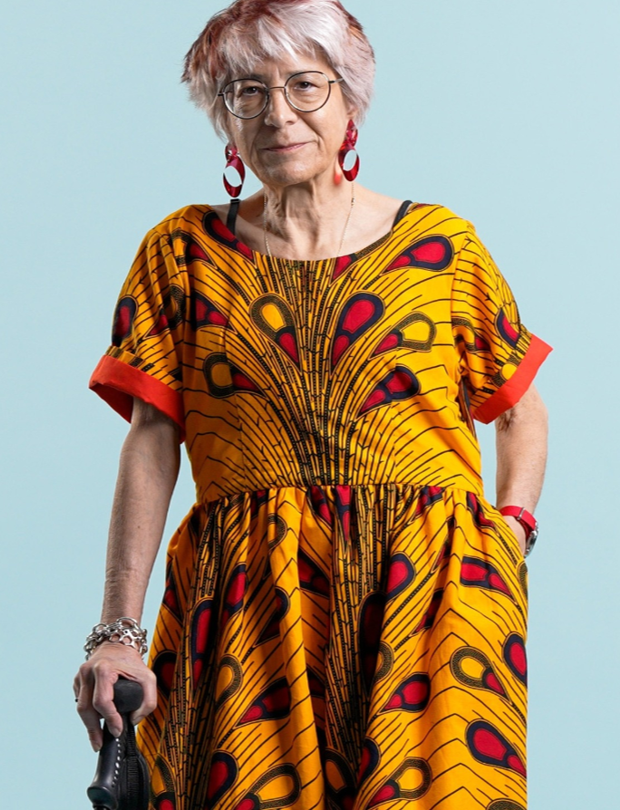
Riva Lehrer is an artist, writer and curator who focuses on the socially challenged body. She is best known for representations of people whose physical embodiment, sexuality, or gender identity have long been stigmatized.
Ms. Lehrer’s work has been seen in venues including the National Portrait Gallery of the Smithsonian, Yale University, the United Nations, the National Museum of Women in the Arts in Washington, DC, the Arnot Museum, the DeCordova Museum, the Frye Museum, the Chicago Cultural Center, and the State of Illinois Museum.
Awards include the 2017 3Arts MacDowell Fellowship for writing, 2015 3Arts Residency Fellowship at the University of Illinois; the 2014 Carnegie Mellon Fellowship at Haverford and Bryn Mawr Colleges; the 2009 Prairie Fellowship at the Ragdale Foundation. Grants include the 2009 Critical Fierceness Grant, the 2008 3Arts Foundation Grant, and the 2006 Wynn Newhouse Award for Excellence, (NYC), as well as grants from the Illinois Arts Council, the University of Illinois, and the National Endowment for the Arts.
Her memoir, Golem Girl, will be published by the One World imprint of Penguin/Random House in October 2020.
Ms. Lehrer has retired from being faculty at the School of the Art Institute of Chicago, and instructor in the Medical Humanities Departments of Northwestern University.
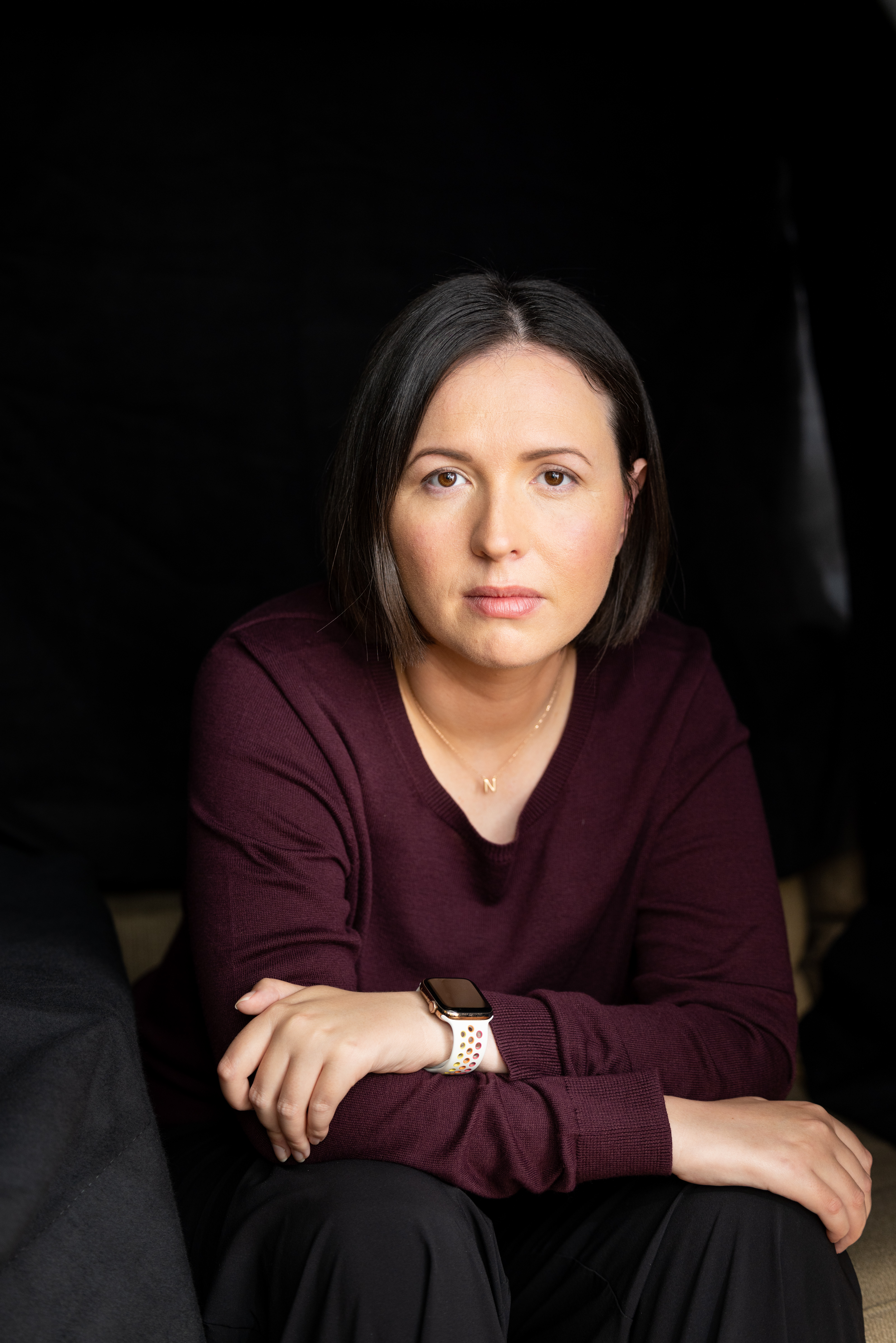
Since her diagnosis with ALS at age 32, Gwen Petersen has poured her energy into advancing the science of her disease. Gwen’s motivation behind participating in ALS research (clinical + observational) is to help move the needle towards the development of disease-modifying treatments for ALS, and eventually, cures. Gwen is not the stereotypical ALS face; she engages in media work alongside her group, Her ALS Story, to dispel the myth that ALS is an older man’s disease. Gwen is married to her best friend, Nathan, and they are parents of an exuberant Goldendoodle named Annabelle. Prior to her diagnosis, Gwen worked as a Recruiter for one of the top ten medical centers in the U.S.
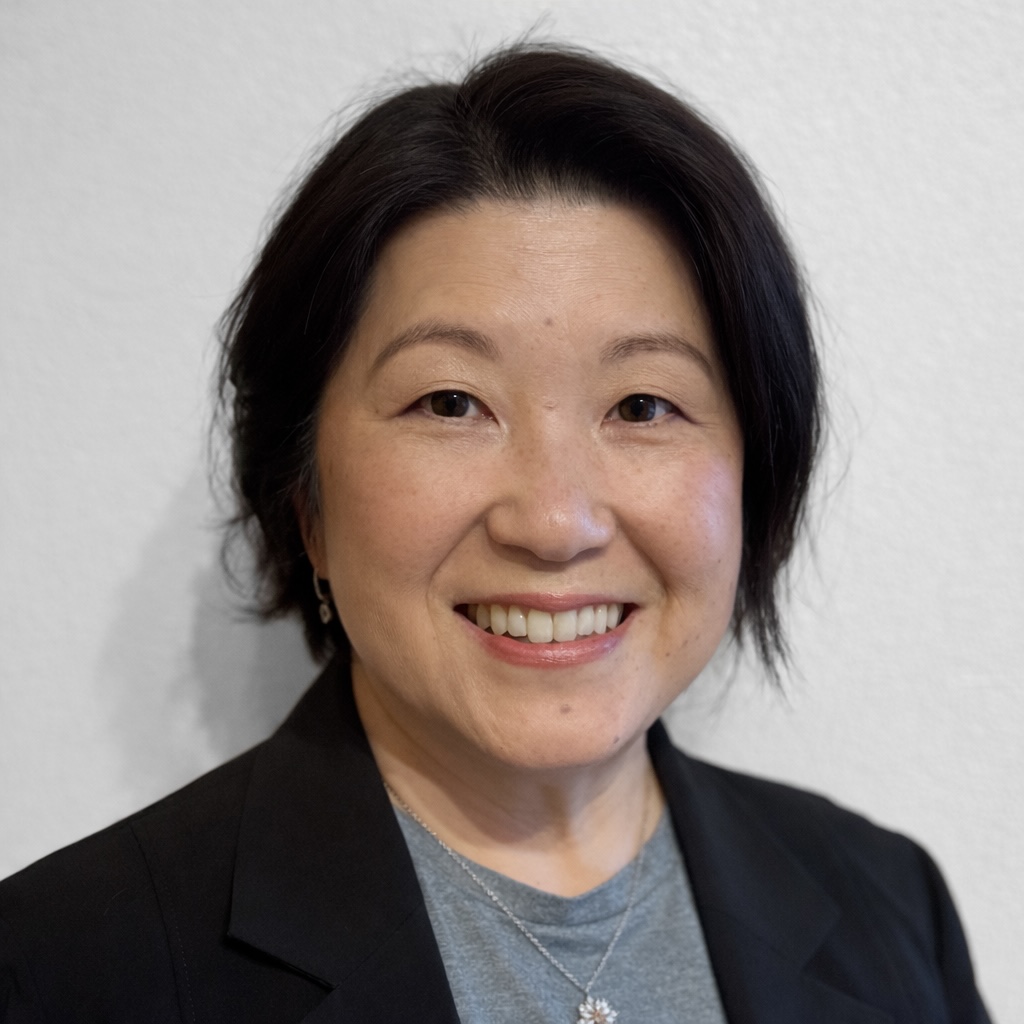
Michelle Moon is a neurologist and palliative care physician practicing in the Seattle area. Her family’s choices about her daughter’s healthcare were featured in a 2015 CNN story “Heaven over hospital: Parents honor dying child’s request”
CNN Stories: Hospice at Age 4 and Heaven over hospital
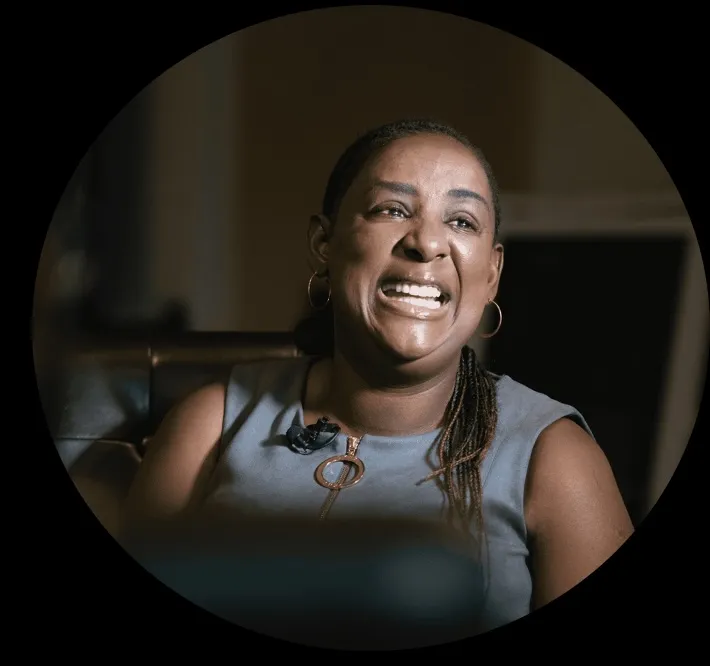

Ashley Waddell Tingstad, JD, Parent Ashley is a mom of three, including Viggo Rick, her third child who was diagnosed after birth with full Trisomy 5p. Ashley learned the value of pediatric palliative care during her son’s life, and has become an advocate for palliative and hospice care since his death in July 2022. From 2023-2024 Ashley served as a Parent Champion for Courageous Parents Network, and in that role has shared her story as a speaker and panelist for various professional audiences around the country.
She also has written extensively about her experience parenting Viggo and her two older children, as well as medical decision-making, navigating end of life, and bereavement. Ashley serves as a board member for the Child Palliative Care Coalition of Michigan and a parent peer mentor on the trach decision-making team at Mott Children’s Hospital. Ashley received her BA in Comparative Literature from Penn State and has a JD from Georgetown. She is the founder of an estate planning law firm in Ann Arbor, Michigan, where she lives with her family.
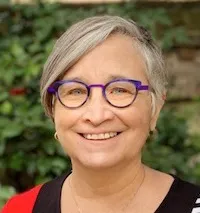
April Dworetz is a neonatologist, an Associate Professor of Pediatrics at Emory University School of Medicine, and a senior fellow at Emory University Center for Ethics. She views herself as a neonatal bioethicist, dedicated to service, education, and scholarship pertaining to disability ethics and life-or-death care options.
April has been involved in the leadership of local, regional, and national ethics committees since 2006. She co-chaired the Disability Ethics Affinity Group of the American Society for Bioethics and Humanities, during which time she planned and implemented annual educational events. She has offered bioethics courses to Emory University medical students and mentored multiple bioethics graduate students in a NICU bioethics practicum. As a member of two hospital ethics committees in Atlanta, she carries out and reviews ethics consultations and organizes Ethics Grand Rounds as chair of the education subcommittee. She has helped plan the HealthCare Ethics Consortium of Georgia Annual Conference and has been a member of the planning committee for 10 years. And she chairs the Georgia American Academy of Pediatrics Committee on Bioethics.

Rev Beth Jackson-Jordan is Director of Spiritual Health at the Emory DeKalb Operating Unit which includes Emory Decatur, Emory Hillandale and Emory Long-term Acute Care Hospitals. Beth is a Board-Certified Chaplain with the Association of Professional Chaplains and a Certified Educator with the Association for Clinical Pastoral Education. She has been a chaplain and chaplain educator for over 30 years.
Beth enjoys playing piano, gardening, hiking and traveling.

Michael McDaniel is an interventional cardiologist and an associate professor of medicine at Emory University. He is currently the Emory Chief of Cardiology at Grady Hospital and serves as the Medical Director of the Cardiac Cath Lab at Grady.
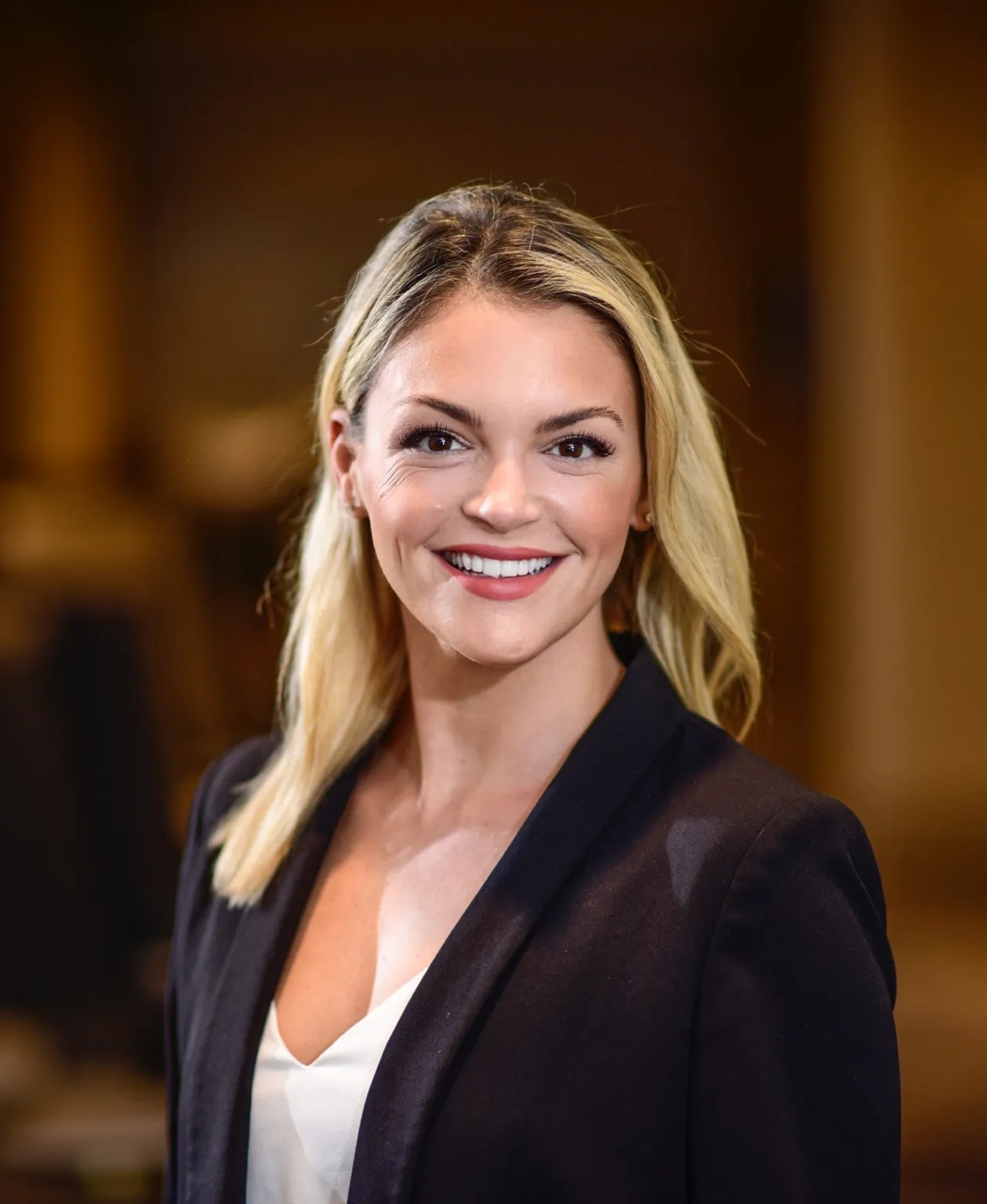
Dr. Shelby Collins is an Adult Nurse Practitioner with a Doctorate in Nursing Practice in Health Systems Leadership from Emory University. She is an Advanced Fellow with VA Quality Scholars (VAQS) and an Adjunct Instructor at Emory University’s Nell Hodgson Woodruff School of Nursing. Dr. Collins has extensive clinical experience in community health settings, including health departments, correctional facilities, federally qualified health centers, and Grady’s Ponce de Leon Center. Dr. Collins’ doctoral work focused on quality improvement initiatives to increase the use of peer support and employer-based resources for nurses at Emory Healthcare. She is also actively involved in suicide prevention and postvention efforts for nurses and nursing students through the SWELL study at Emory School of Nursing. As a nurse leader and advocate, she is committed to improving healthcare access and outcomes for underserved populations and advancing mental health parity and wellness among healthcare professionals, focusing on mitigating stigma-related issues to enhance the well-being of the healthcare workforce.
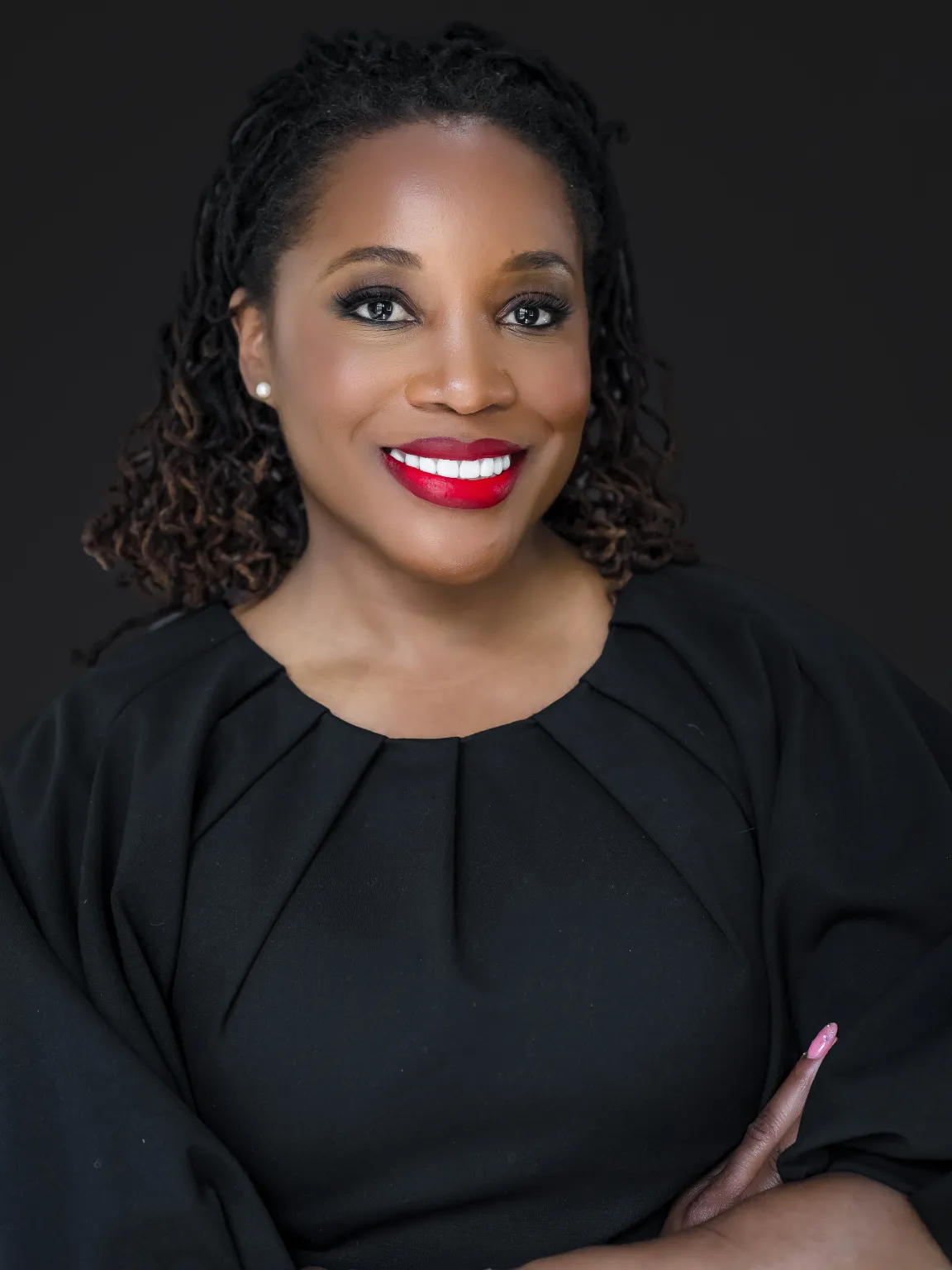
Dr. LeWanza Harris, Chief Quality Officer Emory Healthcare, is a highly respected transformational enterprise physician leader, who has a proven track record of driving system-wide efficiencies and improvements by collaborating and leading cross functional teams in highly matrixed environments; integrating and aligning models of care to drive clinical excellence; and leveraging technology and analytics to improve patient outcomes.
At Mount Sinai, she was the Vice President of Quality and Regulatory Affairs for the Mount Sinai Health System where she provided strategic leadership and oversight for all clinical quality functions across the health system to achieve organizational goals related to clinical excellence, regulatory compliance and quality management. Prior to joining the Mount Sinai Health System, she served as the Associate Chief Quality Officer for NewYork-Presbyterian/Ambulatory Care Network and MCIC Vermont Associate Chief Quality Officer/Associate Chief Medical Officer for NewYork-Presbyterian. She also concurrently served as the Liaison to the Weill Cornell Physician Organization and ColumbiaDoctors Faculty Practice Organization. Prior to these roles, Dr. Harris served as Associate Chief Quality Officer of NewYork-Presbyterian/Allen Hospital.
A board-certified family medicine physician, Dr. Harris was an Assistant Clinical Professor of Medicine at the Columbia University Vagelos College of Physicians and Surgeons. She received her medical degree, Master of Public Health, and completed a family medicine residency at the University of Rochester School of Medicine & Dentistry. Harris received her MBA from Cornell Johnson Graduate School of Management and Master of Science in healthcare leadership from Weill Cornell Graduate School of Medical Sciences. Harris was a Ruth L. Kirchstein AHRQ Health Services Research & Policy Fellow. She completed the Greater New York Hospital Association/United Hospital Fund Clinical Quality Fellowship. She was honored by Becker’s Healthcare for 2024 Black Leaders to Know.
Dr. Harris is a member of the American College of Healthcare Executives, National Medical Association, and National American Heart Association Quality Healthcare Certification Science Committee. She is a Fellow of the New York Academy of Medicine. She previously served as the Vice Chair, Healthcare Association of New York State (HANYS) Statewide Steering Committee on Quality Initiatives. She is on the board of directors of Entertainment 2 Affect Change. She previously served on the American Heart Association, NYC Board of Directors.

Ira is the Executive Director of the Emory Purpose Project, one of the signature elements of Emory University’s Student Flourishing Initiative, whose mission is to unite diverse partners across the Emory community in providing opportunities for students to develop a muscle for reflection on purpose and meaning. Bedzow is also an Associate Professor in the Department of Medicine, a core faculty member of Emory’s Center for Ethics, and a senior fellow in the Center for the Study of Law and Religion.
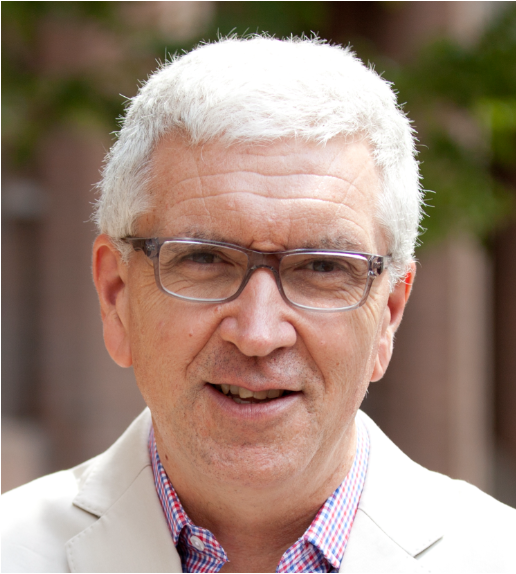
Jim Lavery is the inaugural Conrad N. Hilton Chair in Global Health Ethics and Professor in the Hubert Department of Global Health in the Rollins School of Public Health, and Faculty of the Center for Ethics, Emory University, Atlanta, Georgia. He is the Director of Graduate Studies for the Ph.D. Program in Global Health and Development in the Department of Global Health. Prior to joining the Emory faculty, Jim was the Principal Investigator and Managing Director of the Ethical, Social and Cultural (ESC) Program for the Bill & Melinda Gates Foundation’s Global Health and Global Development programs from 2005-2015. His current work focuses on stakeholder engagement and organizational learning strategies to improve policies and practices in three main areas: (1) the equity of global vaccine distribution; (2) managing trade-offs between Mass Drug Administration (MDA) and the generation of anti-microbial resistance (AMR); and (3) the evaluation of complex community interventions for the elimination of malaria and NTDs. He is the co-creator of Brokered Dialogue, a film-based method for engaging stakeholders in collective problem solving for complex social challenges. He is a Fellow of the Hastings Center and the 2017 recipient of the Global Forum for Bioethics in Research Award for Contributions to Progress in International Research. He is a member of the Board of Directors of the Council on Health Research for Development (COHRED) USA, a member of the Leadership Team for the Health Campaign Effectiveness Coalition at the Task Force for Global Health in Atlanta, and a member of the Research Ethics Advisory Committee for the Task Force for Global Health.
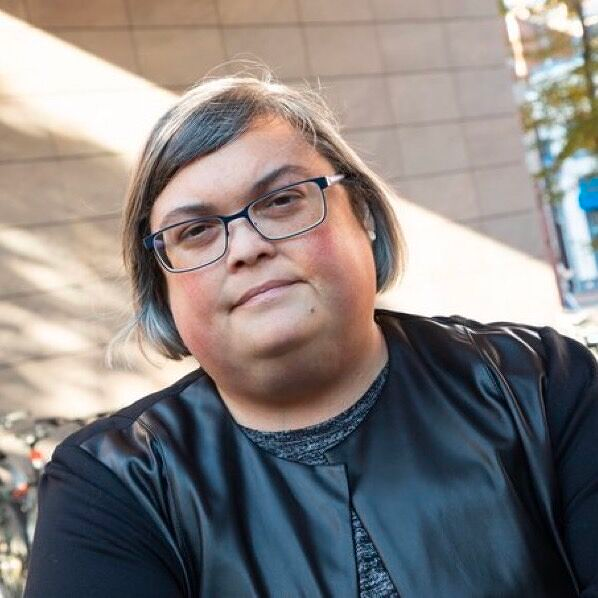
Joan is an assistant professor of journalism and emerging media studies at Boston University. Dr. Donovan leads the field in examining internet and technology studies, online extremism, media manipulation, and disinformation campaigns. She is the founder of The Critical Internet Studies Institute, a nonprofit based in Boston that advocates for a public interest internet.
She co-invented the beaver emoji: 🦫
She is the coauthor of Meme Wars: The Untold Story of the Online Battles Upending Democracy in America, with Emily Dreyfuss and Brian Friedberg.
Dr. Donovan’s research explores how media manipulation is a means to control public conversation, derail democracy, and disrupt society. She conducts research, develops methods, and facilitates workshops for journalists, policy makers, technologists, and civil society organizations on how to detect, document, and debunk media manipulation campaigns.
Formerly, Dr. Donovan was the Research Director of the Harvard Kennedy School’s Shorenstein Center on Media Politics and Public Policy, where she directed the Technology and Social Change Research Project. Her team researched media manipulation, disinformation, and adversarial media movements and published open access textbook, the Media Manipulation Casebook.
Dr. Donovan’s academic research can be found in academic peer-reviewed journals such as Social Studies of Science, Social Media + Society, Journal of Contemporary Ethnography, Information, Communication & Society, and Online Information Review. Her contributions can also be found in the books, Data Science Landscape: Towards Research Standards and Protocols and Unlike Us Reader: Social Media Monopolies and Their Alternatives. Dr. Donovan’s public scholarship has been showcased in a wide array of media mainstream outlets, including MIT Technology Review, NPR, Washington Post, The New York Times, Rolling Stone, The Atlantic, and more.
Prior to joining Harvard Kennedy School, Dr. Donovan was the Research Lead for Data & Society’s Media Manipulation Initiative, where she led a large team of researchers studying efforts to manipulate sociotechnical systems for political gain. Dr. Donovan received her Ph.D. in Sociology and Science Studies from the University of California San Diego, and was a postdoctoral fellow at the UCLA Institute for Society and Genetics, where she studied white supremacists’ use of DNA ancestry tests, social movements, and technology. Her research won awards in 2020 from the American Sociological Association and the Society for the Social Studies of Science.

Roger H. Bernier obtained a Master of Public Health degree from Yale University and a Doctor of Philosophy degree in epidemiology from the Johns Hopkins University. He served as a public health advisor and as senior epidemiologist in a 40 year career with the Centers for Disease Control and Prevention (CDC) in Atlanta. He was the editor and publisher of The Epidemiology Monitor, an international newsletter for epidemiologists, from 1980 until 2022.
At CDC, Dr Bernier was involved in the controversy surrounding autism and vaccination and trained to become a public engagement specialist. He developed this latter set of skills while organizing dialogues at the CDC with members of the public around vaccine related policy issues. That work in public engagement won a national award for excellence.
Since 2019 Dr Bernier has co-led a small group of liberals and conservatives in South Carolina called Crosscurrents to help prove that productive dialogue between people with very different views is possible and productive. The goal of the group is to share this experience and thereby encourage others to replicate what can be done in their own communities.
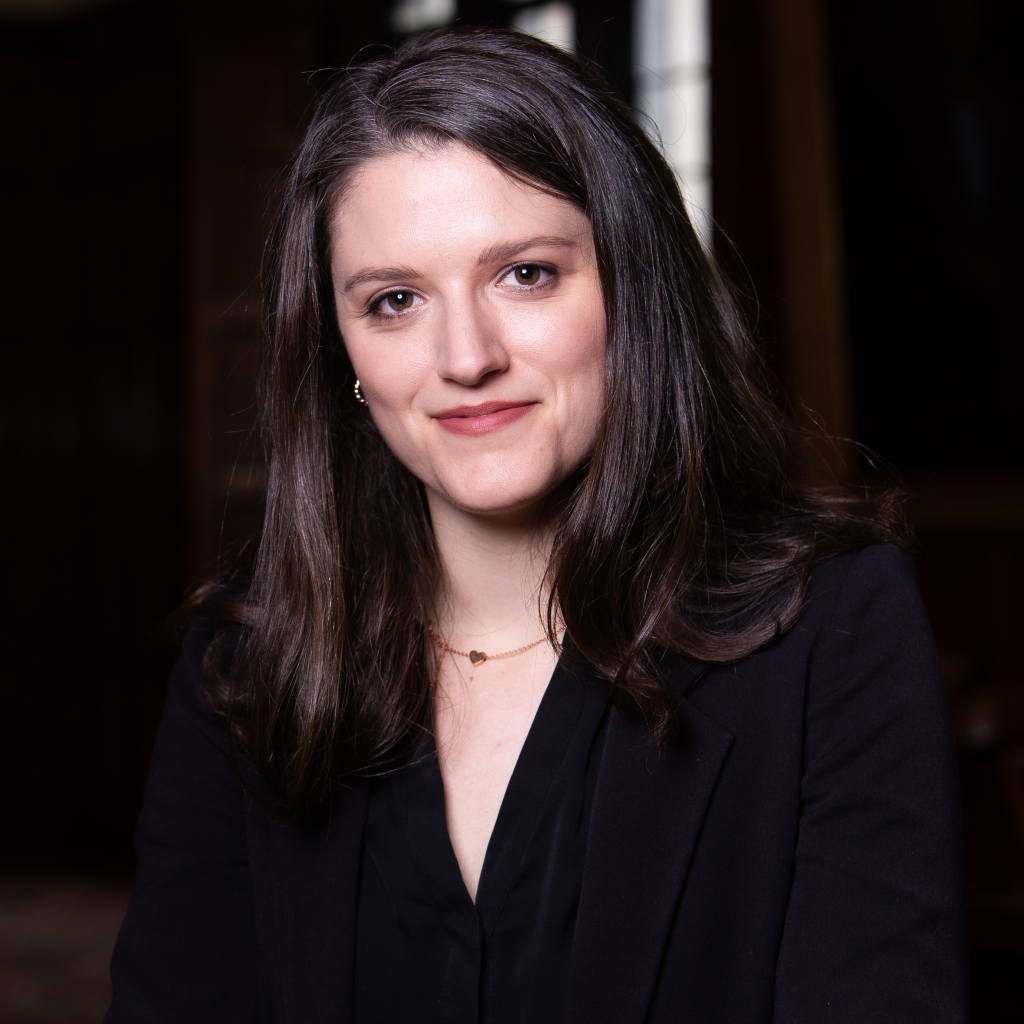
Caroline Anglim, PhD, HEC-C, is an Assistant Professor of Bioethics and Professionalism at Mercer University School of Medicine. She holds a PhD in Religious Ethics from the University of Chicago Divinity School and is a Certified Clinical Healthcare Ethics Consultant (HEC-C). Dr. Anglim’s research analyzes how American medical ethics reflects the tensions internal to liberal democracy. Her studies evaluate how contributors to this field help manage religious and moral differences and the diverse interests of the public. Dr. Anglim’s professional activities include involvement in the American Society of Bioethics and Humanities and the Society of Christian Ethics.

Dr. Faith Fletcher is an Associate Professor in the Center for Medical Ethics and Health Policy at Baylor College of Medicine, a Senior Advisor to the Hastings Center, and a Hastings Center Fellow. Her interdisciplinary research spans bioethics, public health, and behavioral science, with a focus on reproductive health equity, ethical, legal, and social implications (ELSI), patient-centered research, and empirical bioethics. Dr. Fletcher is a national leader in public health equity and research ethics, with foundational work through Fordham University’s HIV Research Ethics Training Institute, emphasizing ethical research engagement practices among Black women living with HIV. She is currently a Co-Investigator on two NIH R01 grants focused on the ethics of wastewater surveillance. Additionally, she is a Greenwall Bioethics Faculty Scholar, examining practices and policies surrounding maternal health outcomes among Black women. In 2017, Dr. Fletcher was named one of the National Minority Quality Forum’s 40 under 40 Leaders in Health, a prestigious award that acknowledges the next generation of leaders primed to reduce health inequities.
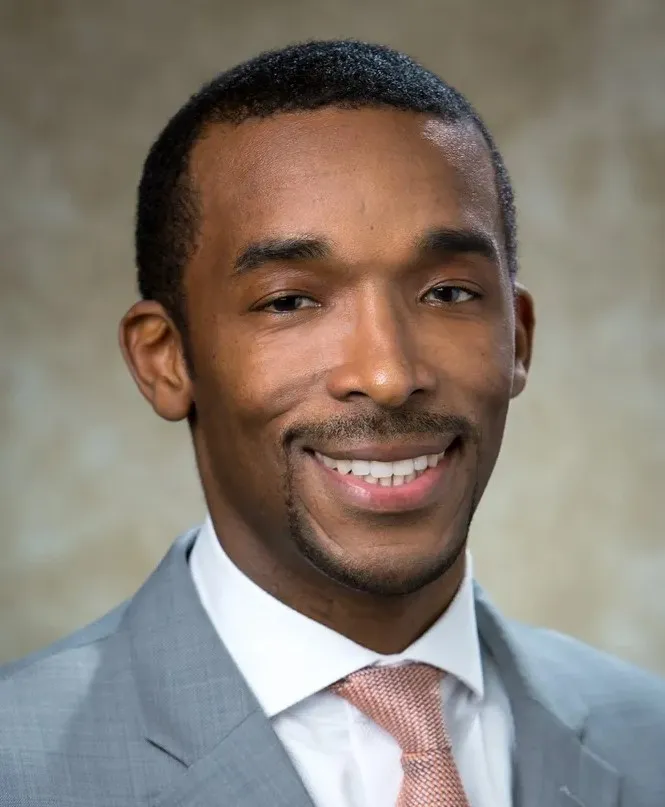
Bonzo K. Reddick, MD, MPH, FAAFP, served at Mercer University School of Medicine as the Associate Dean of Diversity, Equity & Inclusion for six years, and as the Chair of the Department of Community Medicine for three years. He still holds a faculty appointment as Professor of Community Medicine & Family Medicine at Mercer. After receiving his BS degree from Morehouse College and MD degree from Morehouse School of Medicine in Atlanta, GA, Bonzo completed his family medicine residency at the University of Carolina at Chapel Hill. He and his family returned to his hometown, Savannah, GA, in 2014.
Bonzo is board certified in Family Medicine and provides care at a mobile homeless clinic through the JC Lewis Primary Health Care Center, a federally qualified health center (FQHC) and designated healthcare for the homeless (HCH) site. After graduating, he practiced full-spectrum family medicine–including delivering babies and inpatient medicine–for almost 20 years. He was named Top Family Physician in Savannah, GA, by South Magazine in 2016 & 2019, and he was named the Family Physician of the Year by the Georgia Academy of Family Physicians (GAFP) in 2021.
Bonzo has won 16 teaching awards and has a national reputation as an innovator in medical education. He is on the trustee board for the Society of Teachers of Family Medicine (STFM) Foundation. He completed 2 faculty development fellowships at the University of North Carolina at Chapel Hill, where he also obtained an MPH degree with an added interdisciplinary certificate in health disparities. Bonzo has served on the Health Equity Council for the Georgia Department of Public Health and on medical advisory committees for the local public school system and the Mayor’s Office.
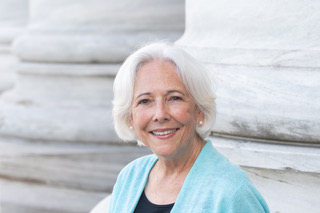
Martha Montello, PhD, is Lecturer with the Department of Global Health and Social Medicine, Harvard Medical School. She teaches narrative ethics for the Center for Bioethics and literature and medicine for the department’s Media, Medicine, and Health master’s program. A literature and humanities scholar, she has trained medical and graduate students, fellows, clinicians, and faculty in narrative approaches to clinical ethics since 1990. She is adjunct professor of medical ethics at Universita Cattolica del Sacro Cuore in Rome, and lectures widely internationally. For 19 years, she chaired the ethics committees, adult and pediatric, at the University of Kansas School of Medicine. She is founding director of the Medical Writing Center at Children’s Mercy Hospital in Kansas City and Editor-in-Chief emeritus of Perspectives in Biology and Medicine with Johns Hopkins University Press. She has published on literature and medicine and narrative approaches to bioethics in The Chronicle of Higher Education, The Hastings Center Report, New England Journal of Medicine, Journal of Clinical Ethics, Annals of Internal Medicine, Academic Medicine, Current Problems in Pediatric and Adolescent Health Care, New Orleans Review, and Boston Studies in the Philosophy of Science. She is co-editor of Stories Matter: The Role of Narrative in Medical Ethics.
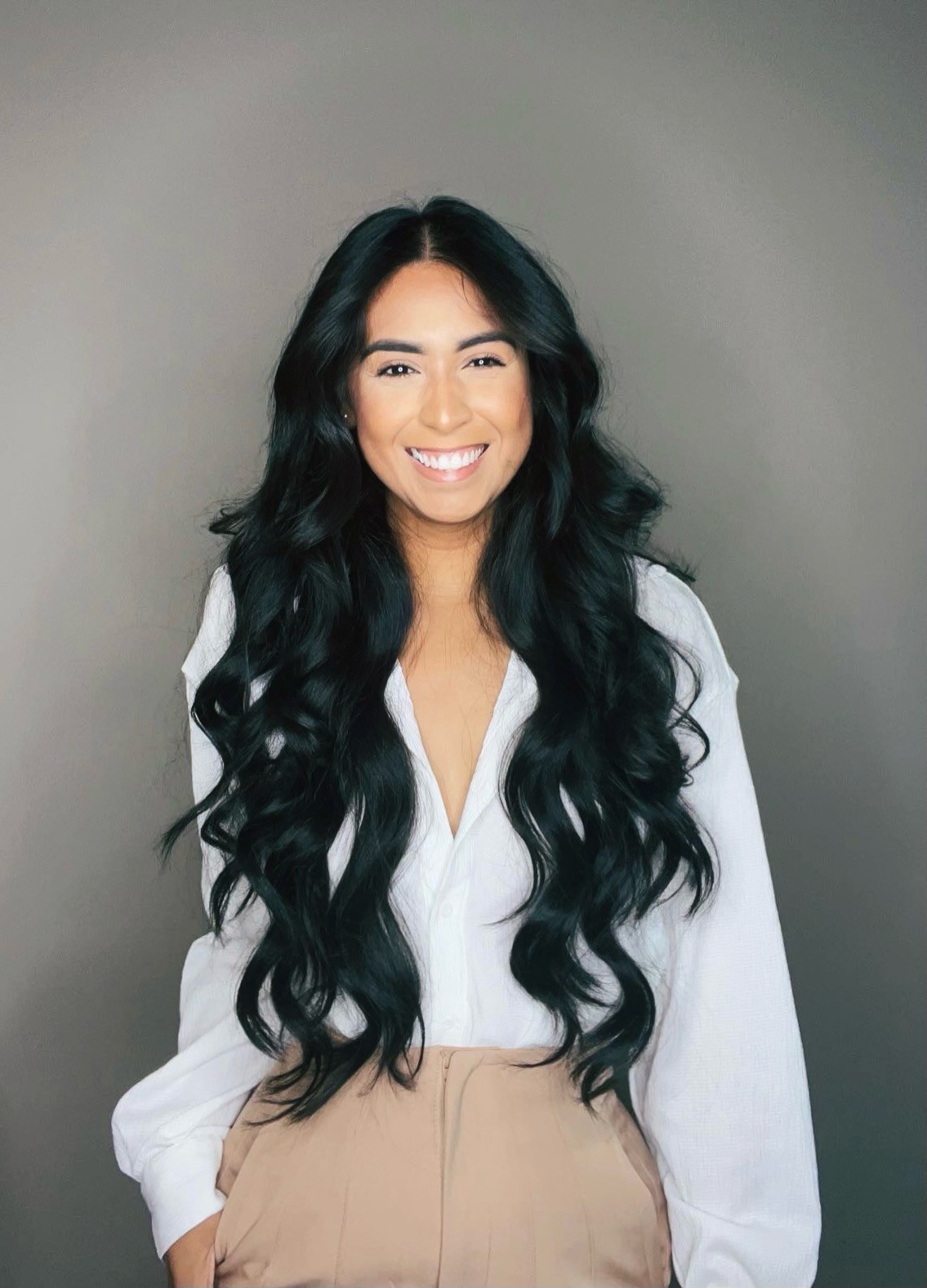
Michel Hernandez is a patient advocate and co-author of a published medical case report documenting her own delayed diagnosis of infective endocarditis. Her story underscores the ethical importance of listening to patients and recognizing cognitive bias in healthcare. Michel speaks nationally about patient narrative, diagnostic reasoning, and the human cost of missed care.
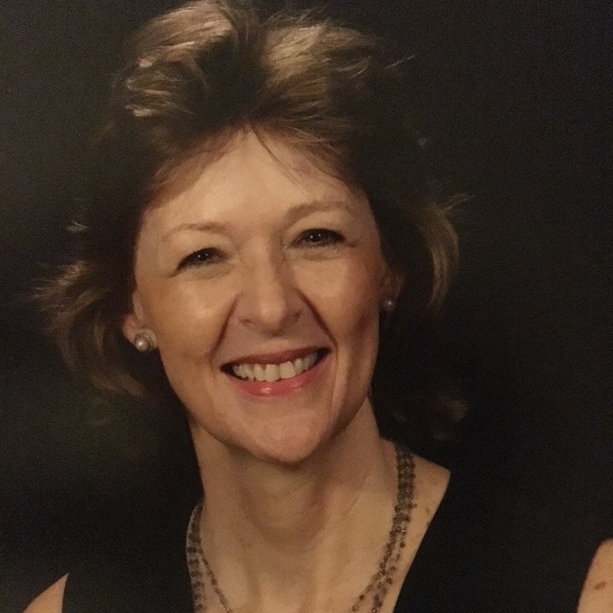
Kathy Kinlaw, MDiv, HEC-C, is associate director of the Emory University Center for Ethics where she directs the Center’s Program in Health, Science, and Ethics; and she is lead ethicist at Emory Healthcare. She serves as chair, Emory University Hospital Ethics Committee; Assistant Professor of Pediatrics, Emory School of Medicine; and director of the Healthcare Ethics Consortium, a network of healthcare systems primarily in the Southeast.
Kathy directs integration of Clinical Ethics into the School of Medicine’s curriculum and residency programs. She currently serves as a member of the Advisory Committee on Immunization Practices (ACIP) COVID-19 vaccine work group and previously served as a member of the CDC Ethics Subcommittee of the Advisory Committee to the Director. Kathy brings ethical analysis to public policy concerns, providing bioethics guidance to legislators and leading working groups in drafting 1) the Georgia Advance Directive for Healthcare (2007); 2) 2010 revision of the Georgia Informed Consent law; and 3) the Georgia POLST legislation (2015).
She completed her MDiv from the Candler School of Theology, a bioethics internship at the NIH Clinical Center, and a fellowship in perinatal ethics at the Emory School of Medicine. She is a Hastings Center Fellow.