
Putting Ethics into Practice in Caring for Our Patients, Our Colleagues, Ourselves
Putting Ethicsinto Practice
in Caring forOur Patients,Our Colleagues,Ourselves
Putting Ethicsinto Practice
in Caring forOur Patients,Our Colleagues,Ourselves
Welcome
Lunch
0
0
0

Amy is a Certified Deaf Interpreter with over 30 years of experience in a variety of settings, including legal, mental health, and medical. She has also taught ASL for three decades in both formal educational institutions and community settings. Currently, she teaches ASL and Deaf Studies at the University of Georgia.
Before focusing on education, Amy served as the statewide Community Coordinator for the Georgia Department of Behavioral Health and Developmental Disabilities and worked as a Communication Specialist with the Office of Deaf Services in Alabama. She has presented numerous workshops on ASL, interpreting strategies, and Deaf culture and history, and has been called upon for English-to-ASL translation work. Passionate about bridging ASL and English, she is dedicated to fostering understanding between the two languages.
Amy and her family live in Snellville, Georgia. She has been married to Jimmy Peterson for 38 years, and they have two daughters and three beloved grandchildren. Their family is unique in its hereditary deafness, with multiple generations of Deaf individuals on both sides.
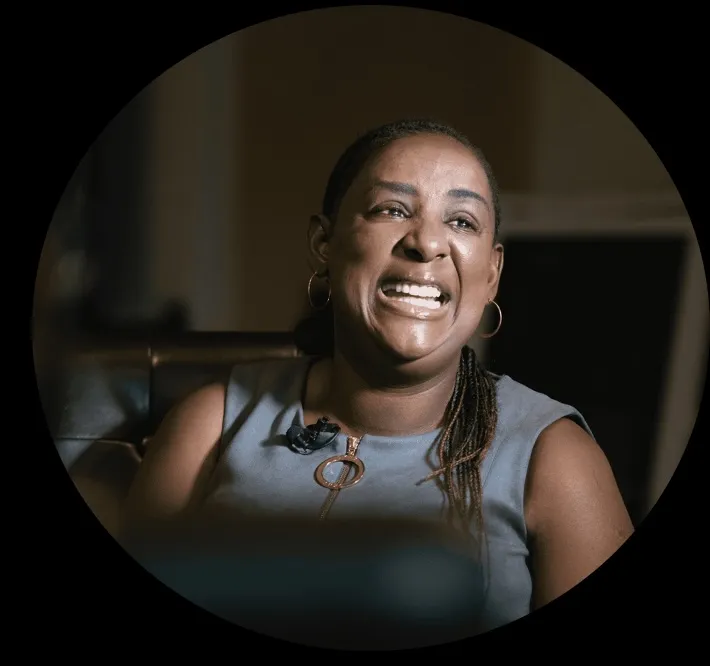

Ashley Waddell Tingstad, JD, Parent Ashley is a mom of three, including Viggo Rick, her third child who was diagnosed after birth with full Trisomy 5p. Ashley learned the value of pediatric palliative care during her son’s life, and has become an advocate for palliative and hospice care since his death in July 2022. From 2023-2024 Ashley served as a Parent Champion for Courageous Parents Network, and in that role has shared her story as a speaker and panelist for various professional audiences around the country.
She also has written extensively about her experience parenting Viggo and her two older children, as well as medical decision-making, navigating end of life, and bereavement. Ashley serves as a board member for the Child Palliative Care Coalition of Michigan and a parent peer mentor on the trach decision-making team at Mott Children’s Hospital. Ashley received her BA in Comparative Literature from Penn State and has a JD from Georgetown. She is the founder of an estate planning law firm in Ann Arbor, Michigan, where she lives with her family.
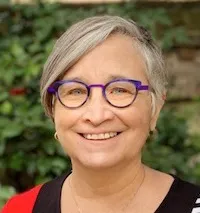
April Dworetz is a neonatologist, an Associate Professor of Pediatrics at Emory University School of Medicine, and a senior fellow at Emory University Center for Ethics. She views herself as a neonatal bioethicist, dedicated to service, education, and scholarship pertaining to disability ethics and life-or-death care options.
April has been involved in the leadership of local, regional, and national ethics committees since 2006. She co-chaired the Disability Ethics Affinity Group of the American Society for Bioethics and Humanities, during which time she planned and implemented annual educational events. She has offered bioethics courses to Emory University medical students and mentored multiple bioethics graduate students in a NICU bioethics practicum. As a member of two hospital ethics committees in Atlanta, she carries out and reviews ethics consultations and organizes Ethics Grand Rounds as chair of the education subcommittee. She has helped plan the HealthCare Ethics Consortium of Georgia Annual Conference and has been a member of the planning committee for 10 years. And she chairs the Georgia American Academy of Pediatrics Committee on Bioethics.

Rev Beth Jackson-Jordan is Director of Spiritual Health at the Emory DeKalb Operating Unit which includes Emory Decatur, Emory Hillandale and Emory Long-term Acute Care Hospitals. Beth is a Board-Certified Chaplain with the Association of Professional Chaplains and a Certified Educator with the Association for Clinical Pastoral Education. She has been a chaplain and chaplain educator for over 30 years.
Beth enjoys playing piano, gardening, hiking and traveling.

Michael McDaniel is an interventional cardiologist and an associate professor of medicine at Emory University. He is currently the Emory Chief of Cardiology at Grady Hospital and serves as the Medical Director of the Cardiac Cath Lab at Grady.
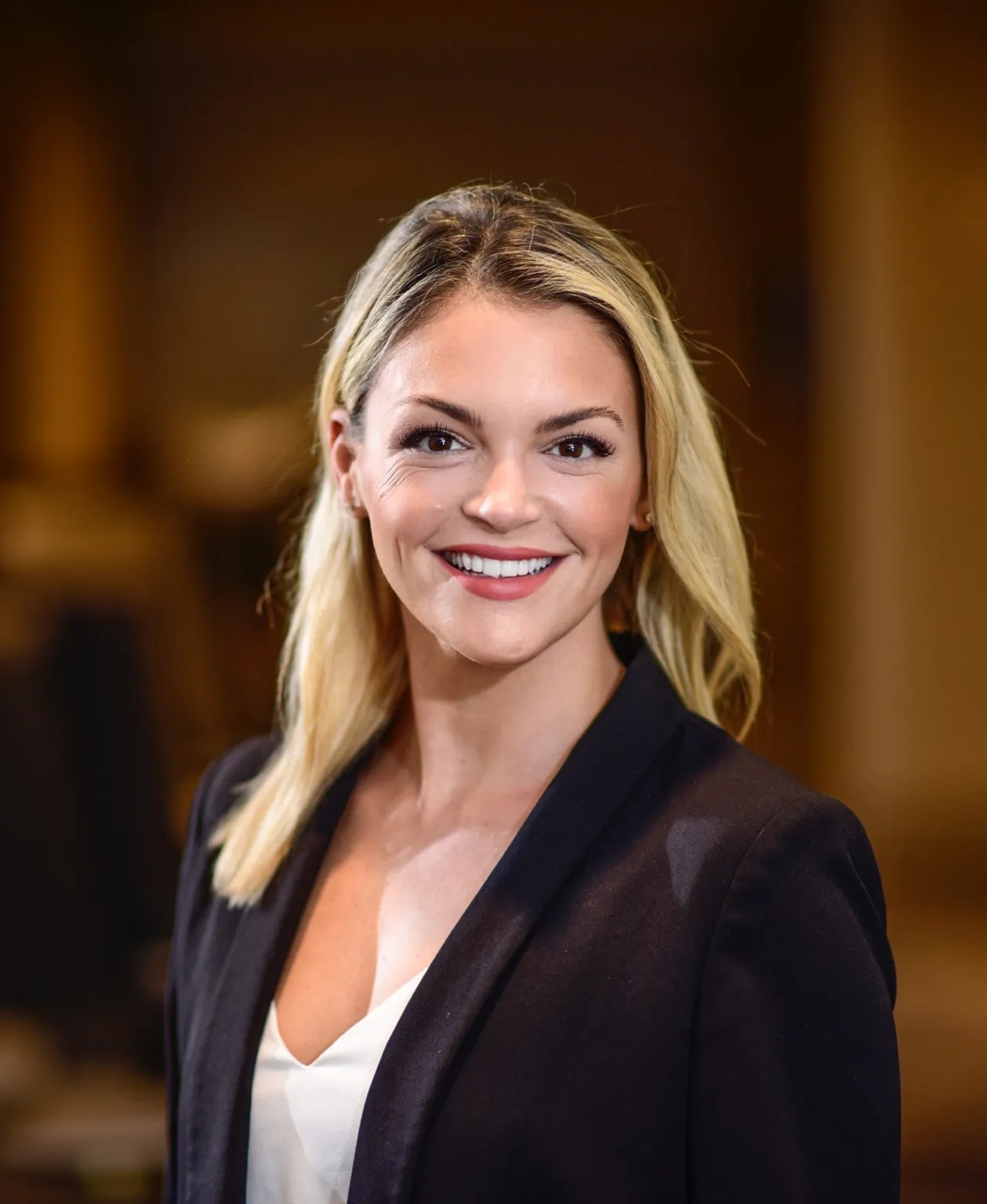
Dr. Shelby Collins is an Adult Nurse Practitioner with a Doctorate in Nursing Practice in Health Systems Leadership from Emory University. She is an Advanced Fellow with VA Quality Scholars (VAQS) and an Adjunct Instructor at Emory University’s Nell Hodgson Woodruff School of Nursing. Dr. Collins has extensive clinical experience in community health settings, including health departments, correctional facilities, federally qualified health centers, and Grady’s Ponce de Leon Center. Dr. Collins’ doctoral work focused on quality improvement initiatives to increase the use of peer support and employer-based resources for nurses at Emory Healthcare. She is also actively involved in suicide prevention and postvention efforts for nurses and nursing students through the SWELL study at Emory School of Nursing. As a nurse leader and advocate, she is committed to improving healthcare access and outcomes for underserved populations and advancing mental health parity and wellness among healthcare professionals, focusing on mitigating stigma-related issues to enhance the well-being of the healthcare workforce.
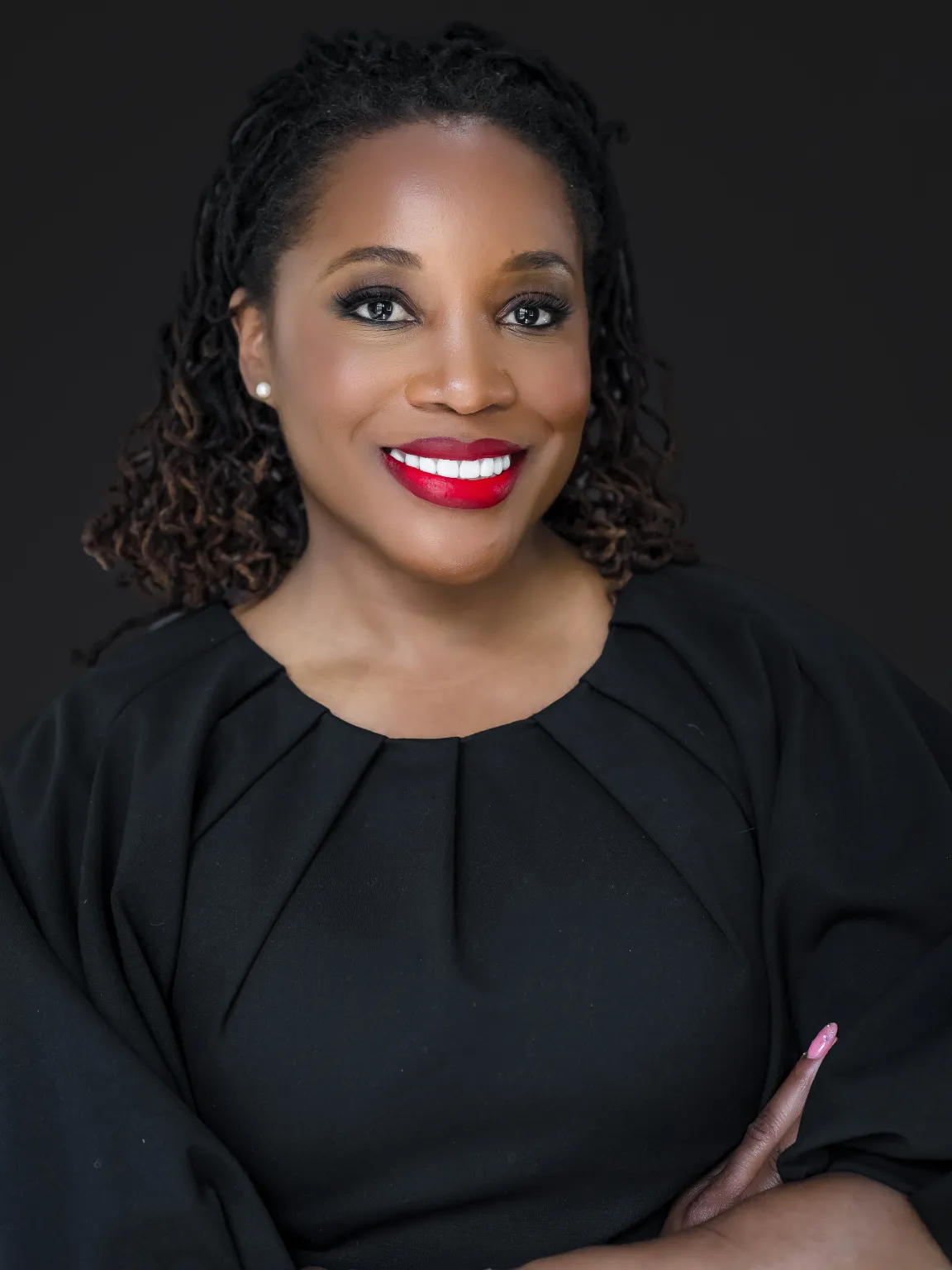
Dr. LeWanza Harris, Chief Quality Officer Emory Healthcare, is a highly respected transformational enterprise physician leader, who has a proven track record of driving system-wide efficiencies and improvements by collaborating and leading cross functional teams in highly matrixed environments; integrating and aligning models of care to drive clinical excellence; and leveraging technology and analytics to improve patient outcomes.
At Mount Sinai, she was the Vice President of Quality and Regulatory Affairs for the Mount Sinai Health System where she provided strategic leadership and oversight for all clinical quality functions across the health system to achieve organizational goals related to clinical excellence, regulatory compliance and quality management. Prior to joining the Mount Sinai Health System, she served as the Associate Chief Quality Officer for NewYork-Presbyterian/Ambulatory Care Network and MCIC Vermont Associate Chief Quality Officer/Associate Chief Medical Officer for NewYork-Presbyterian. She also concurrently served as the Liaison to the Weill Cornell Physician Organization and ColumbiaDoctors Faculty Practice Organization. Prior to these roles, Dr. Harris served as Associate Chief Quality Officer of NewYork-Presbyterian/Allen Hospital.
A board-certified family medicine physician, Dr. Harris was an Assistant Clinical Professor of Medicine at the Columbia University Vagelos College of Physicians and Surgeons. She received her medical degree, Master of Public Health, and completed a family medicine residency at the University of Rochester School of Medicine & Dentistry. Harris received her MBA from Cornell Johnson Graduate School of Management and Master of Science in healthcare leadership from Weill Cornell Graduate School of Medical Sciences. Harris was a Ruth L. Kirchstein AHRQ Health Services Research & Policy Fellow. She completed the Greater New York Hospital Association/United Hospital Fund Clinical Quality Fellowship. She was honored by Becker’s Healthcare for 2024 Black Leaders to Know.
Dr. Harris is a member of the American College of Healthcare Executives, National Medical Association, and National American Heart Association Quality Healthcare Certification Science Committee. She is a Fellow of the New York Academy of Medicine. She previously served as the Vice Chair, Healthcare Association of New York State (HANYS) Statewide Steering Committee on Quality Initiatives. She is on the board of directors of Entertainment 2 Affect Change. She previously served on the American Heart Association, NYC Board of Directors.

Ira is the Executive Director of the Emory Purpose Project, one of the signature elements of Emory University’s Student Flourishing Initiative, whose mission is to unite diverse partners across the Emory community in providing opportunities for students to develop a muscle for reflection on purpose and meaning. Bedzow is also an Associate Professor in the Department of Medicine, a core faculty member of Emory’s Center for Ethics, and a senior fellow in the Center for the Study of Law and Religion.
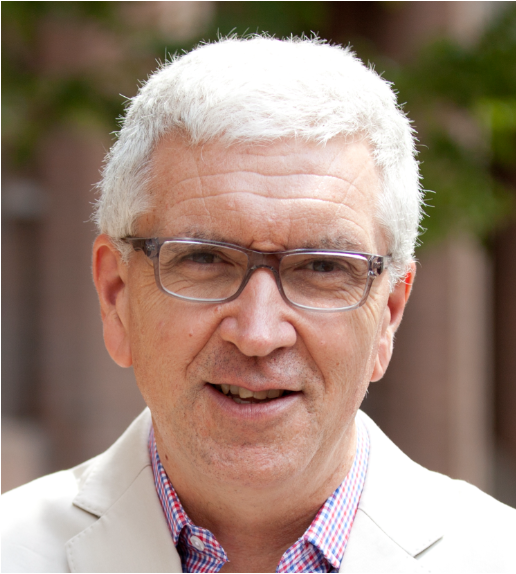
Jim Lavery is the inaugural Conrad N. Hilton Chair in Global Health Ethics and Professor in the Hubert Department of Global Health in the Rollins School of Public Health, and Faculty of the Center for Ethics, Emory University, Atlanta, Georgia. He is the Director of Graduate Studies for the Ph.D. Program in Global Health and Development in the Department of Global Health. Prior to joining the Emory faculty, Jim was the Principal Investigator and Managing Director of the Ethical, Social and Cultural (ESC) Program for the Bill & Melinda Gates Foundation’s Global Health and Global Development programs from 2005-2015. His current work focuses on stakeholder engagement and organizational learning strategies to improve policies and practices in three main areas: (1) the equity of global vaccine distribution; (2) managing trade-offs between Mass Drug Administration (MDA) and the generation of anti-microbial resistance (AMR); and (3) the evaluation of complex community interventions for the elimination of malaria and NTDs. He is the co-creator of Brokered Dialogue, a film-based method for engaging stakeholders in collective problem solving for complex social challenges. He is a Fellow of the Hastings Center and the 2017 recipient of the Global Forum for Bioethics in Research Award for Contributions to Progress in International Research. He is a member of the Board of Directors of the Council on Health Research for Development (COHRED) USA, a member of the Leadership Team for the Health Campaign Effectiveness Coalition at the Task Force for Global Health in Atlanta, and a member of the Research Ethics Advisory Committee for the Task Force for Global Health.
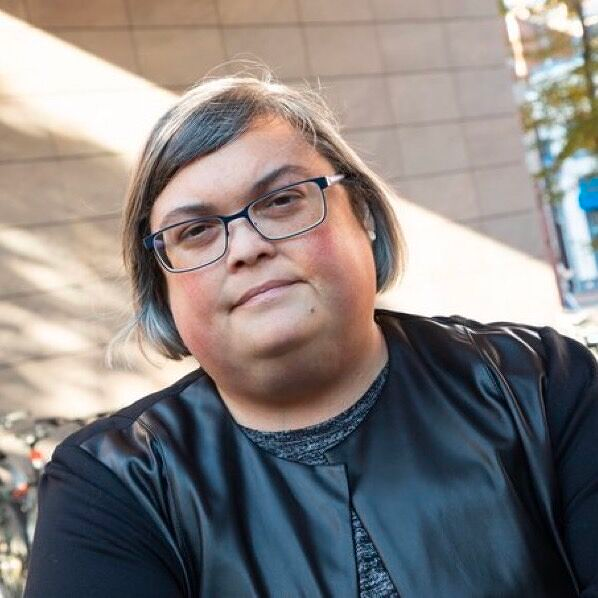
Joan is an assistant professor of journalism and emerging media studies at Boston University. Dr. Donovan leads the field in examining internet and technology studies, online extremism, media manipulation, and disinformation campaigns. She is the founder of The Critical Internet Studies Institute, a nonprofit based in Boston that advocates for a public interest internet.
She co-invented the beaver emoji: 🦫
She is the coauthor of Meme Wars: The Untold Story of the Online Battles Upending Democracy in America, with Emily Dreyfuss and Brian Friedberg.
Dr. Donovan’s research explores how media manipulation is a means to control public conversation, derail democracy, and disrupt society. She conducts research, develops methods, and facilitates workshops for journalists, policy makers, technologists, and civil society organizations on how to detect, document, and debunk media manipulation campaigns.
Formerly, Dr. Donovan was the Research Director of the Harvard Kennedy School’s Shorenstein Center on Media Politics and Public Policy, where she directed the Technology and Social Change Research Project. Her team researched media manipulation, disinformation, and adversarial media movements and published open access textbook, the Media Manipulation Casebook.
Dr. Donovan’s academic research can be found in academic peer-reviewed journals such as Social Studies of Science, Social Media + Society, Journal of Contemporary Ethnography, Information, Communication & Society, and Online Information Review. Her contributions can also be found in the books, Data Science Landscape: Towards Research Standards and Protocols and Unlike Us Reader: Social Media Monopolies and Their Alternatives. Dr. Donovan’s public scholarship has been showcased in a wide array of media mainstream outlets, including MIT Technology Review, NPR, Washington Post, The New York Times, Rolling Stone, The Atlantic, and more.
Prior to joining Harvard Kennedy School, Dr. Donovan was the Research Lead for Data & Society’s Media Manipulation Initiative, where she led a large team of researchers studying efforts to manipulate sociotechnical systems for political gain. Dr. Donovan received her Ph.D. in Sociology and Science Studies from the University of California San Diego, and was a postdoctoral fellow at the UCLA Institute for Society and Genetics, where she studied white supremacists’ use of DNA ancestry tests, social movements, and technology. Her research won awards in 2020 from the American Sociological Association and the Society for the Social Studies of Science.

Roger H. Bernier obtained a Master of Public Health degree from Yale University and a Doctor of Philosophy degree in epidemiology from the Johns Hopkins University. He served as a public health advisor and as senior epidemiologist in a 40 year career with the Centers for Disease Control and Prevention (CDC) in Atlanta. He was the editor and publisher of The Epidemiology Monitor, an international newsletter for epidemiologists, from 1980 until 2022.
At CDC, Dr Bernier was involved in the controversy surrounding autism and vaccination and trained to become a public engagement specialist. He developed this latter set of skills while organizing dialogues at the CDC with members of the public around vaccine related policy issues. That work in public engagement won a national award for excellence.
Since 2019 Dr Bernier has co-led a small group of liberals and conservatives in South Carolina called Crosscurrents to help prove that productive dialogue between people with very different views is possible and productive. The goal of the group is to share this experience and thereby encourage others to replicate what can be done in their own communities.
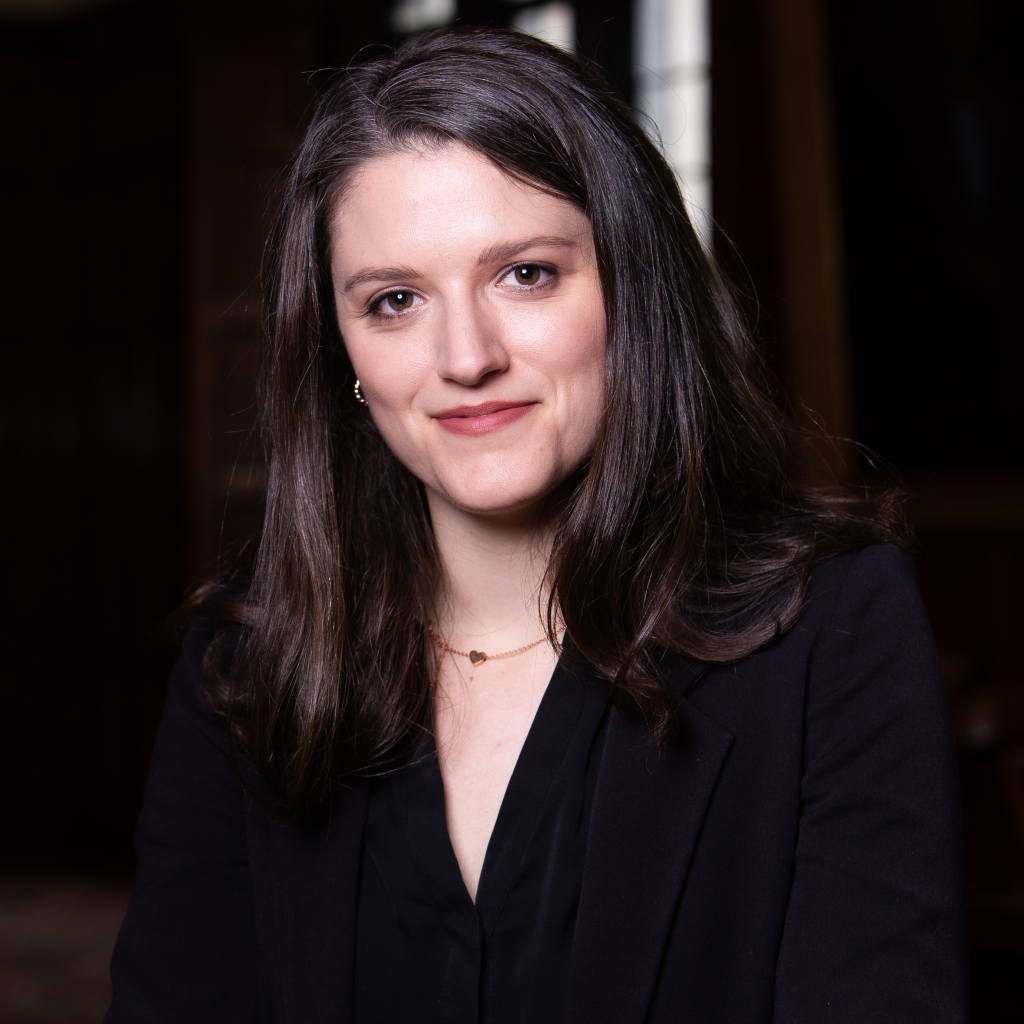
Caroline Anglim, PhD, HEC-C, is an Assistant Professor of Bioethics and Professionalism at Mercer University School of Medicine. She holds a PhD in Religious Ethics from the University of Chicago Divinity School and is a Certified Clinical Healthcare Ethics Consultant (HEC-C). Dr. Anglim’s research analyzes how American medical ethics reflects the tensions internal to liberal democracy. Her studies evaluate how contributors to this field help manage religious and moral differences and the diverse interests of the public. Dr. Anglim’s professional activities include involvement in the American Society of Bioethics and Humanities and the Society of Christian Ethics.

Dr. Faith Fletcher is an Associate Professor in the Center for Medical Ethics and Health Policy at Baylor College of Medicine, a Senior Advisor to the Hastings Center, and a Hastings Center Fellow. Her interdisciplinary research spans bioethics, public health, and behavioral science, with a focus on reproductive health equity, ethical, legal, and social implications (ELSI), patient-centered research, and empirical bioethics. Dr. Fletcher is a national leader in public health equity and research ethics, with foundational work through Fordham University’s HIV Research Ethics Training Institute, emphasizing ethical research engagement practices among Black women living with HIV. She is currently a Co-Investigator on two NIH R01 grants focused on the ethics of wastewater surveillance. Additionally, she is a Greenwall Bioethics Faculty Scholar, examining practices and policies surrounding maternal health outcomes among Black women. In 2017, Dr. Fletcher was named one of the National Minority Quality Forum’s 40 under 40 Leaders in Health, a prestigious award that acknowledges the next generation of leaders primed to reduce health inequities.
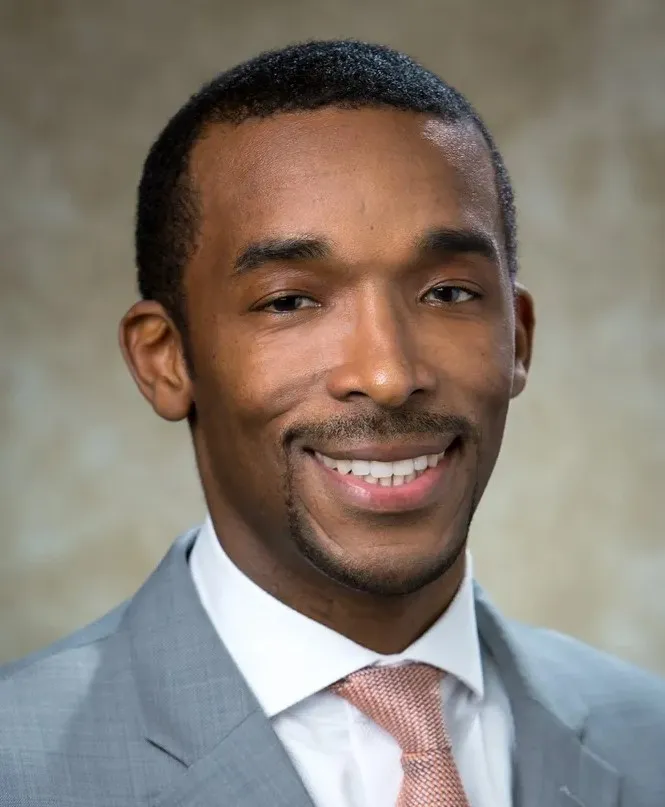
Bonzo K. Reddick, MD, MPH, FAAFP, served at Mercer University School of Medicine as the Associate Dean of Diversity, Equity & Inclusion for six years, and as the Chair of the Department of Community Medicine for three years. He still holds a faculty appointment as Professor of Community Medicine & Family Medicine at Mercer. After receiving his BS degree from Morehouse College and MD degree from Morehouse School of Medicine in Atlanta, GA, Bonzo completed his family medicine residency at the University of Carolina at Chapel Hill. He and his family returned to his hometown, Savannah, GA, in 2014.
Bonzo is board certified in Family Medicine and provides care at a mobile homeless clinic through the JC Lewis Primary Health Care Center, a federally qualified health center (FQHC) and designated healthcare for the homeless (HCH) site. After graduating, he practiced full-spectrum family medicine–including delivering babies and inpatient medicine–for almost 20 years. He was named Top Family Physician in Savannah, GA, by South Magazine in 2016 & 2019, and he was named the Family Physician of the Year by the Georgia Academy of Family Physicians (GAFP) in 2021.
Bonzo has won 16 teaching awards and has a national reputation as an innovator in medical education. He is on the trustee board for the Society of Teachers of Family Medicine (STFM) Foundation. He completed 2 faculty development fellowships at the University of North Carolina at Chapel Hill, where he also obtained an MPH degree with an added interdisciplinary certificate in health disparities. Bonzo has served on the Health Equity Council for the Georgia Department of Public Health and on medical advisory committees for the local public school system and the Mayor’s Office.

Thaddeus Mason Pope, JD, PhD, HEC-C, is a foremost expert on medical law and clinical ethics. He focuses on patient rights and healthcare decision making, especially at the end of life.
A fellow of the Hastings Center and previously both a Fulbright Canada Research Chair in Health Law, Policy, and Ethics at the University of Ottawa, and a visiting scholar at the Brocher Foundation in Switzerland; Pope is now a Professor at Mitchell Hamline School of Law in Saint Paul, Minnesota.
While Professor Pope serves in a range of consulting capacities, he has been particularly influential through extensive high-impact scholarship. Ranked among the Top 20 most cited health law scholars in the United States and the Top 50 in the world, Pope has over 300 law, medicine, and bioethics publications.
Prior to joining academia, Professor Pope practiced at Arnold & Porter and clerked on the U.S. Court of Appeals for the Seventh Circuit. Pope earned a JD and PhD from Georgetown University.

John Lysaker is the William R. Kenan University Professor. He was educated at Kenyon College and Vanderbilt University and has also taught at the University of Oregon, where he served as the Department Head of Philosophy and on the Executive Committees of Comparative Literature and Women’s and Gender Studies. He came to Emory in 2009 as Professor of Philosophy. At Emory, he has served as Director of Graduate Studies and Chair of its Philosophy Department, and as the Chair of Emory College’s Tenure and Promotion Committee.
Lysaker’s central interest remains the good life writ large and various phenomena that enable and/or frustrate its emergence, including character and metacognition, artworks, serious mental illness, and friendship. Because ethical life courses through a wide field of usages and images, his work engages historical texts as well as contemporary philosophers alongside and in dialogue with poets, songwriters, musicians, and painters.
As a scholar, he has authored six monographs, co-authored another, and co-edited a collection of essays. In addition, he is the author of approximately seventy-five scholarly articles and chapters. In addition to regularly addressing national and international scholarly audiences, Lysaker is committed to public engagement, ranging from high school groups to art museums, religious communities, and civic agencies. All spaces are ethics spaces on his view, and ripe for conversations that can be prove transformative for everyone involved.
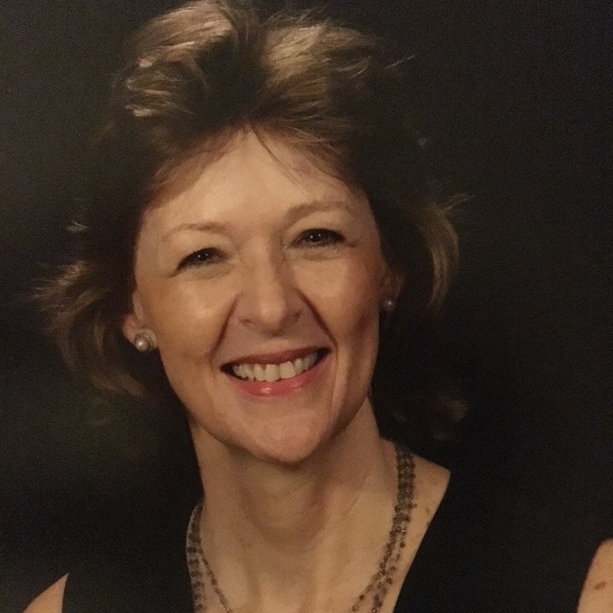
Kathy Kinlaw, MDiv, HEC-C, is associate director of the Emory University Center for Ethics where she directs the Center’s Program in Health, Science, and Ethics; and she is lead ethicist at Emory Healthcare. She serves as chair, Emory University Hospital Ethics Committee; Assistant Professor of Pediatrics, Emory School of Medicine; and director of the Healthcare Ethics Consortium, a network of healthcare systems primarily in the Southeast.
Kathy directs integration of Clinical Ethics into the School of Medicine’s curriculum and residency programs. She currently serves as a member of the Advisory Committee on Immunization Practices (ACIP) COVID-19 vaccine work group and previously served as a member of the CDC Ethics Subcommittee of the Advisory Committee to the Director. Kathy brings ethical analysis to public policy concerns, providing bioethics guidance to legislators and leading working groups in drafting 1) the Georgia Advance Directive for Healthcare (2007); 2) 2010 revision of the Georgia Informed Consent law; and 3) the Georgia POLST legislation (2015).
She completed her MDiv from the Candler School of Theology, a bioethics internship at the NIH Clinical Center, and a fellowship in perinatal ethics at the Emory School of Medicine. She is a Hastings Center Fellow.